Category: Nutrition
-
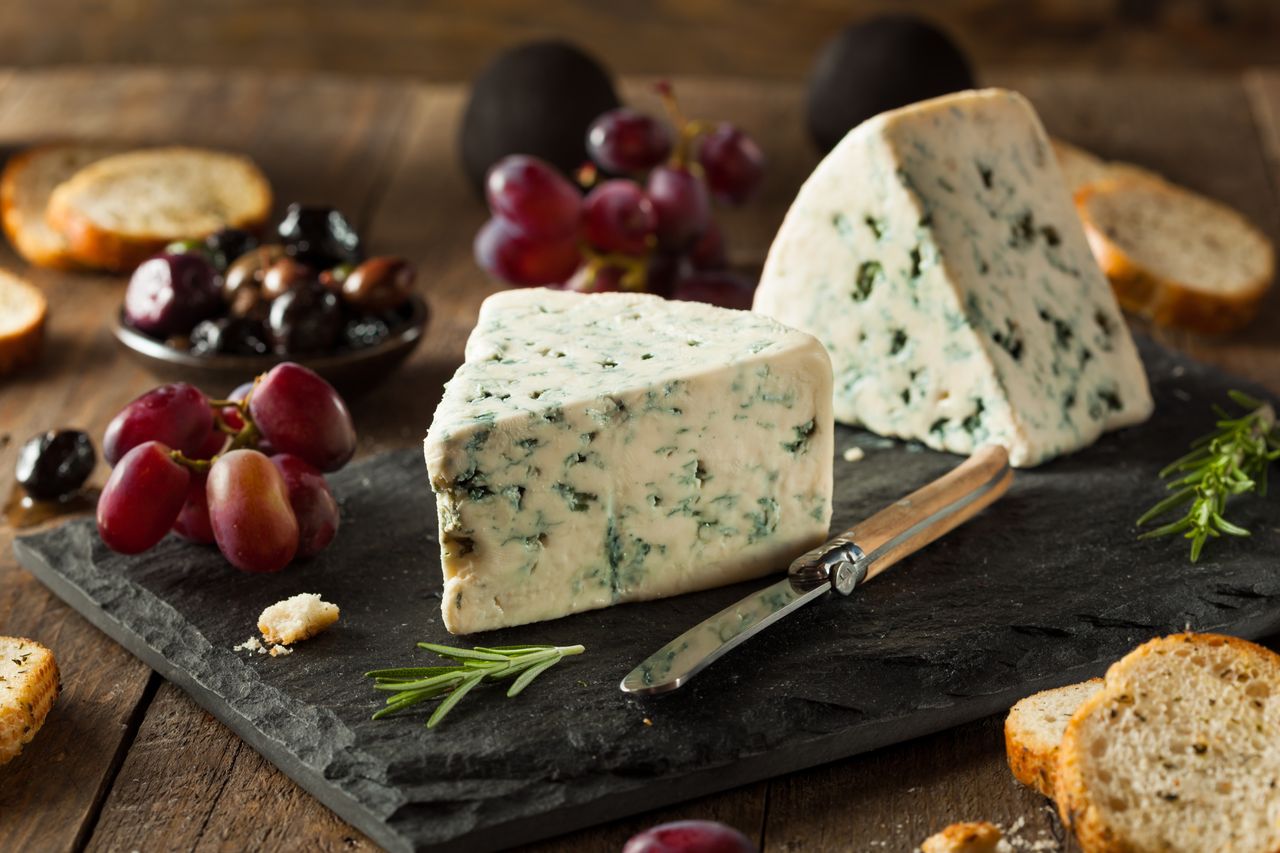
Everything You Should Know About Blue Cheese
Blue mould cheeses are produced worldwide, with the four most well-known varieties being Danablu, Gorgonzola, Roquefort, and Stilton. The fungus Penicillium Roqueforti is used to prepare blue cheese, determining the appearance of the various types during ripening. The microflora, which includes both lactic acid bacteria and yeast, regulates this development, which is also affected by…
-
World Sickle Cell Day 2022
What is Sickle Cell Disease (SCD) Sickle Cell Disease (SCD) is a group of inherited red blood cell disorders that are present at birth. It is inherited when a child receives two sickle cell genes—one from each parent. Worldwide there are about 300,000 babies born with SCD every year. Furthermore, the majority in low-income countries…
-

Vitamin C Rich Foods – Health Benefits, Deficiency & More
Vitamin C, also known as ‘Ascorbic Acid’, is a water-soluble vitamin and a powerful antioxidant. It protects the body from free radicals, which play an essential role in ageing. In addition, it helps strengthen the blood vessels and muscles. However, unlike other animals, humans cannot synthesise this vitamin internally. Hence, our vitamin C intake depends…
-
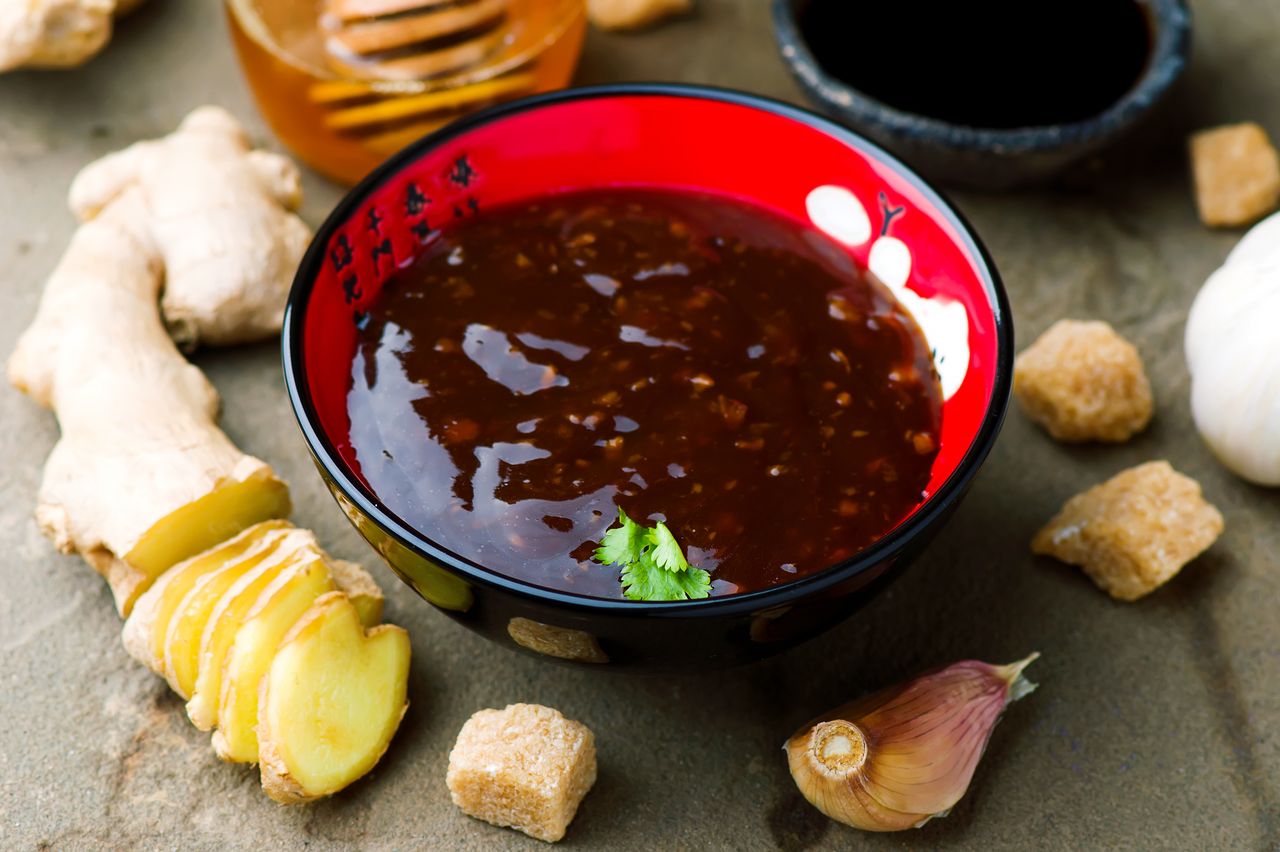
Teriyaki Sauce: Guide To Its Nutrition and Health Benefits
Teriyaki Sauce is a flavourful Japanese sauce commonly used in cooking. People use the sauce as a marinade for various preparations, including meat, fish and vegetables. This easy to make sauce adds a rich, flavourful glaze to dishes. Besides adding a sweet and salty taste to rice, noodles, stir fry vegetables and protein, teriyaki sauce…
-
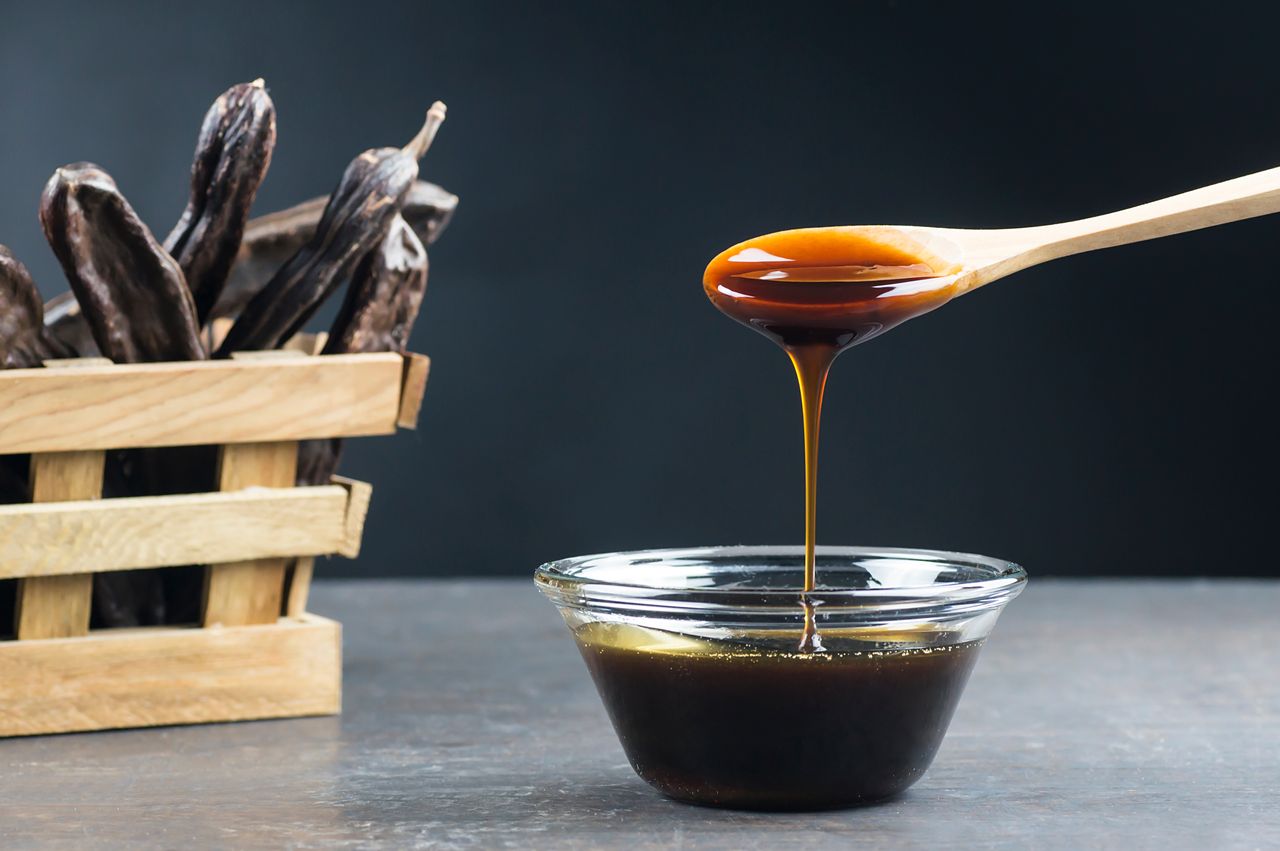
Molasses: Types, Nutrition, Benefits, and Side Effects
Molasses is a thick brown syrup popular as a sweetener. Molasses extraction happens from sugar cane or sugar beets. First, sugar canes or sugar beets get crushed, and the makers extract the juice. Next, manufacturers boil this juice and these form sugar crystals. After removing these crystals, what is left is molasses. You can repeat…