Folic Acid – Benefits, Side Effects, and Uses

Hiral Patel
July 1, 2022 - 9:00 am
Stay updated on the latest and greatest from the world of HealthifyMe. Subscribe to our Newsletter today!
Like folate, folic acid is also a form of vitamin B9; you can use it when you have a folic acid deficiency. It prevents pregnancy-related complications. Folic acid is present in several foods in your kitchen. For example, leafy vegetables, okra, and asparagus are rich in folic acid. You can also have beans, some nutritional yeast, and mushrooms to meet your daily folic acid requirement. These days, it is also available as a supplement. However, folic acid became prominent in 1998 when the Federal law declared that folic acid should be added to cold cereals, flour, and bread.
Folic acid has innumerable uses and benefits. Meeting your daily folate requirements can help lower blood levels of homocysteine. Pregnant women should include folic acid to avoid spina bifida, a severe congenital disability. It is also beneficial in depression, stroke, memory decline, and cognition.
There are numerous benefits of folic acid and folate for your body. They treat the same conditions but have different effects.
Folic acid or vitamin B9 promotes healthy hair growth. It is also vital for cell growth in the body. These cells are present in your hair, skin, and tissues in the nails. As a result, folic acid improves the health of hair, skin and nails.
Folic acid also contributes to the healthy functioning of your red blood cells. Red blood cells production is essential for the prevention of premature greying. When there is a folic acid deficiency, it changes the hair pigments, causing them to turn grey.
The recommended folic acid daily dose for hair growth is 400 mcg.
According to the World Health Organisation (WHO), approximately 469 million women worldwide suffer from anaemia. It is primarily due to iron loss at the time of heavy bleeding during periods.
Folic acid assists the growth and maintenance of cells that transport iron throughout your body. Therefore, you should take a combination of folic acid and iron during your periods. When you take them together, they help restore the level of red blood cells. As a result, they prevent the symptoms of anaemia. The recommended intake for adolescents aged 9 to 13 is 300 mcg. Adult women should have 400 mcg of folic acid.
According to a study, the consumption of folic acid has an inverse relationship to the length of the menstrual cycle. However, this is primarily in women between ages 18 to 30.
Folic acid has a potent effect on fertility. However, the results differ in males and females. It works wonders for female fertility. A woman struggling to conceive should consult her physician and determine if she has a folic acid deficiency. Furthermore, it prevents pregnancy defects that can lead to miscarriage. It improves cell metabolism within the ovaries.
As per a study, the positive effects of folic acid on male fertility are unclear. However, it improves the quality of a man’s sperm. In addition, it lowers the risk of sperm abnormalities which may hinder the process of conception. However, there is no evidence to support these facts. Hence, it may or may not directly impact male fertility.
Folic acid is essential for the development of the foetus during the early stages of pregnancy. As per research, folic acid helps to form the neural tube, which serves as the baby’s brain and spinal cord. It prevents significant congenital disabilities, including anencephaly, brain defect, and spina bifida (spine defect).
All women of reproductive age should consume folic acid every day. There are two suggested reasons for it. Firstly, most pregnancies are unplanned. Secondly, significant congenital disabilities occur very early in pregnancy, around 3-4 weeks after conception. It is also the time when women are usually unaware of their pregnancy. Hence, it is vital to take care of your reproductive health.
Folate and vitamin B12 are responsible for converting homocysteine to methionine, the building blocks for new proteins. This process gets disrupted when your body does not have adequate folate levels. It leads to hyperhomocysteinemia, an increase in homocysteine levels.
Unfortunately, it causes arterial damage and blood clots in your blood vessels. Hence, taking folic acid is crucial. It lowers the risk of cardiovascular disease, stroke, and hypertension. In addition, people with high homocysteine levels and kidney failure should take folic acid orally.
The deficiency of folic acid may cause developmental delays and cognitive deterioration. It might also lead to behavioural and psychological problems.
According to research, adequate amounts of folic acid may prevent the risk of neuropsychiatric disorders, depression, and epilepsy. In addition, it controls the homocysteine levels in the blood. As a result, it prevents heart problems in the elderly. It also eliminates the risk of Alzheimer’s disease and mood disorders. Folic acid also improves cognitive performance and memory, which helps in the long run.
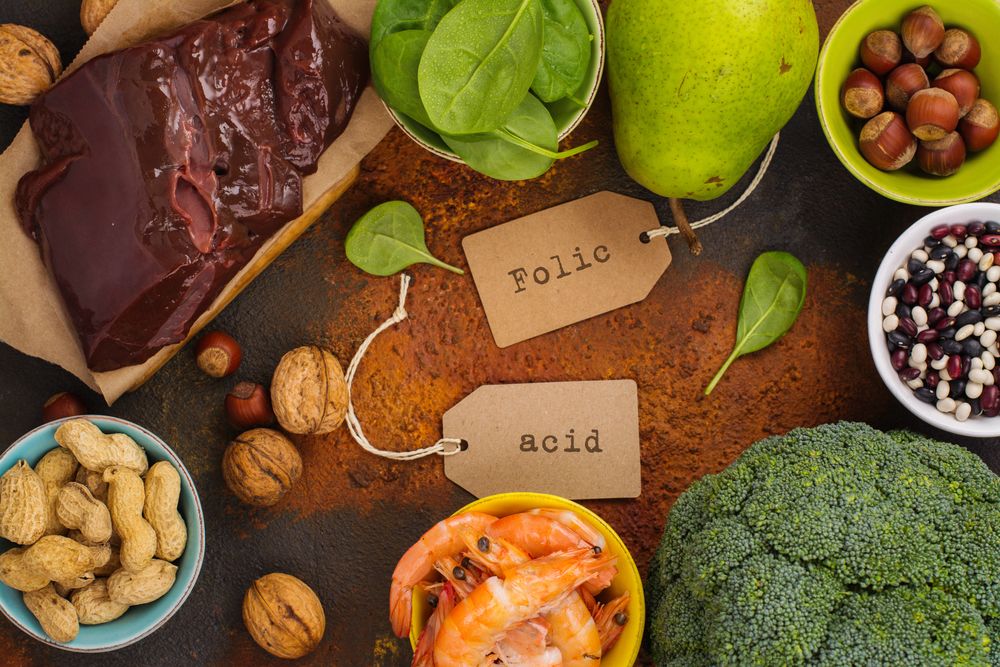
Folate or vitamin B9 is a water-soluble vitamin present in fortified foods. You can also have it in the form of a folic acid supplement. Here are some rich sources of folic acid.
Different legumes have different amounts of folate. However, kidney beans are one of the richest sources of folic acid among legumes. They are also rich in protein, fibre, and antioxidants. Kidney beans also have micronutrients, including potassium, magnesium, and iron.
Nutritional Value
100 grams of kidney beans contains:
Asparagus is a storehouse of vitamins and minerals, including folate. It is also full of antioxidants and has anti-inflammatory and antibacterial properties. In addition, it is an excellent source of fibre.
Nutritional Value
100 grams of asparagus contains:
Eggs are an excellent choice for folic acids. You can add them once daily or weekly 3-4 times to help your body meet nutritional needs. They are also rich in protein, selenium, riboflavin, and vitamin B12. In addition, they are full of lutein and zeaxanthin. They are essential antioxidants that prevent eye disorders such as macular degeneration.
Nutritional Value
100 grams of eggs contain:
Leafy green vegetables have low calories but high vitamins and minerals. Examples are spinach, kale, and arugula. They are also rich in fibre, vitamins K and A. As a result, they have fantastic health benefits such as reducing inflammation, lowering cancer risk, and helping in weight loss.
Nutritional Value
100 grams of spinach contains:
Beets provide a burst of colour to main dishes and desserts alike. They are rich in many vital nutrients and have adequate amounts of manganese, potassium, and vitamin C, which can quickly fulfil your daily requirement. They are high in nitrates, a plant compound with many health benefits. Beetroot juice can lower systolic blood pressure in adults.
Nutritional Value
100 grams of raw beets contain:
Brussels sprouts belong to the cruciferous family of vegetables, including kale, broccoli, cabbage, and kohlrabi. They are rich in folate, vitamins, and minerals. Also, they are full of kaempferol, an antioxidant with innumerable health benefits. They help to reduce inflammation and oxidative damage.
Nutritional Value
100 grams of Brussels sprouts have:
Now, let’s look at all the possible side effects and precautions that you should be aware of.
It is advisable not to consume more than 1 mg of folic acid daily. The amount should not exceed the dosage to enhance benefits. Taking more than the required amounts may be unsafe for you. It may cause adverse health outcomes such as:
It is available in the form of supplements. L-5-methyltetrahydrofolate or L-5-MTHF is another form of folic acid. It is safe to consume 400 mcg daily, but not more. Having folic acid in excessive quantities can trigger serious side effects in the long run.
Taking more than 0.8-1.2 mg of folic acid every day may increase the risk of cancer and heart attack in people with heart problems. In addition, people with certain health conditions need to exercise extra caution while consuming folic acid supplements.
Pregnant and breastfeeding women should consume only an adequate amount of folic acid. Pregnant women require no more than 300-400 mcg of folic acid to prevent congenital disabilities in babies. The tolerable upper limit for folic acid in pregnant women who are 18 years old is 800 mcg. However, it is 1000 mcg in the case of adult women.
The daily requirements for children vary according to their age. Although, it should not exceed the daily upper limits where are given below-
Angioplasty is the procedure to widen narrowed arteries. Excess folic acid, vitamin B6, and vitamin B12 may worsen the condition. Therefore, it is advisable to consult your medical healthcare professional before including folic acid when recovering from angioplasty.
Folic acid can worsen cancer if you consume beyond 0.8-1 mg of folic acid. Therefore, people with a history of cancer should preferably avoid taking high doses of folic acid.
Seizure disorder leads to sudden and electrical disturbance in the brain. People with seizure disorders should not take folic acid supplements. It may worsen seizures, making them dangerous for you.
Thus, you should not use folic acid without a physician’s prescription.
Folic acid and folate are the forms of Vitamin B9. The difference is that folate is the natural form of vitamin B9 while folic acid is synthetic. Folic acid has a wide range of health benefits, such as promoting hair growth, maintaining a healthy menstrual cycle, and increasing fertility rates in women. In addition, it ensures the development of the fetus during pregnancy, prevents heart disease, and improves brain health.
To obtain adequate amounts of folic acid in your body, you can include foods such as legumes, asparagus, and eggs. Green leafy vegetables, beetroots, cruciferous vegetables like broccoli, brussels sprouts and citrus fruits are also rich sources of folic acid. Before starting on folic acid supplements, it is essential to be aware of the precautions and side effects, especially in pregnant women and children.
A. There are various benefits of taking folic acid. For example, it promotes hair growth, increases fertility, and is beneficial during menstruation.
A. Folic acid helps in the formation of healthy red blood cells. They are essential for carrying oxygen around the body.
A. People belonging to every age group need folic acid for various bodily functions. However, women of reproductive age should especially take it.
A. Yes, it is highly beneficial for your body to take folic acid every day. 400 mcg is the recommended daily intake.
A. Yes, it is OK to take folic acid when not pregnant. All women should have it even when they are not expecting pregnancy. However, for a healthy pregnancy, you should have it before planning it.
A. No, folic acid does not make you gain weight. However, suppose folic acid is deficient in your body. In that case, you might experience weight loss as one of the side effects.
A. You should take folic acid in the morning. This recommendation is because the process of digestion slows down at night. Thus, there is better or more efficient absorption of folic acid in the morning.
A. You should take folic acid daily according to the recommended daily requirement as per your age. However, it might cause side effects, so you should take the advice of a healthcare professional first.
A. Yes, in case of overdose, folic acid may have side effects. These include stomach upset, nausea and diarrhoea. It might also increase the risk of cancer and heart attack in people with heart problems.
A. Yes, folic acid is good for hair growth. It also prevents premature greying by regulating the production of red blood cells in your body.
A. There are numerous symptoms of low folic acid. These include persistent fatigue, weakness, and lethargy.
A. There are lots of foods that have folic acid. They are legumes, asparagus, and eggs. In addition, leafy greens, beets, brussels sprouts and citrus fruits also have it.
A. Yes, you can take folic acid during your periods. It assists the growth and maintenance of cells in regulating iron transportation.
A. Yes, folic acid increases fertility in both men and women. It assures the best results in the case of women. But, it does not guarantee fertility in men.
A. When taken in excess, folic acid may make you sleepy. It can also cause weakness, fatigue, and difficulty in concentration.
A. Yes, folic acid regulates periods. It restores the levels of red blood cells in your body and prevents the symptoms of anaemia.
A. Folic acid helps in pregnancy as it is essential in the baby’s early development. In addition, it helps to forms the neural tube and prevents significant congenital disabilities.

Banish that bread pakora that has become your 5 pm tea-time snack; savour these high energy, low calorie treats instead! Try these healthy Indian snack recipes instead. #1 Ragi Masala Idli Of all cereals and millet, finger millet (or ragi) has the highest amount of calcium (344 mg %) and potassium (408 mg %). Adding […]
By Hiral Patel

Am I full? Can I eat some more? Could I still be hungry? Many of us experience these mixed signals that drive us to overeat, and now new research has revealed the cause. There isn’t just one, but dozens of hormones involved in sending hunger signals to the brain, from the stomach, intestine, fat tissue, […]
By Hiral Patel

Ramzan, or Ramadan, is one of the most important festivals in the world with over 2 billion people celebrating the pious occasion. But, as you fast through the day and commit to the spiritual journey, it is also important to follow healthy measures during the post-fasting period. Most people have the misconception that fasting through […]
By Hiral Patel

Medically reviewed by
Gautham Shankar
PHD in colouring hair in darkness