The 5 best and worst foods during Ramzan

Nahida
June 8, 2016 - 12:41 pm
Stay updated on the latest and greatest from the world of HealthifyMe. Subscribe to our Newsletter today!
The Holy Month of Ramzan is here, and with it, begins the season of delicious feasts and pious fasting. Ramzan is not just a season of prayer and charity, it is also the time one can fall into some poor dietary habits. Even though you will be fasting the entire day, it’s a misconception that you can gorge on whatever your heart desires once you break the fast.
Following a proper diet during Ramzan is even more important, as your body goes through long periods of hunger, followed by copious amount of food intake. It is a good idea to keep a tab on what you can and can’t eat during Ramzan. Here are some items you should definitely add to your Ramzan celebrations, and some you should cut down on.
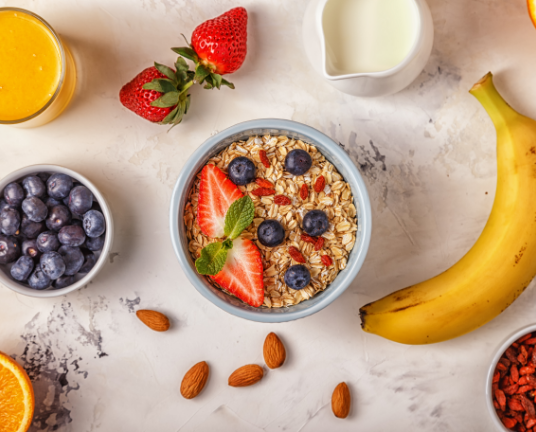
Bananas are rich in potassium, which suppresses thirst and keeps you hydrated for a longer time. Banana is also a great source of fiber and resistant starch and is ideal to help ease your system after fasting. Resistant starch also helps you feel fuller with less quantity. In short, having a banana is a great way to keep your food intake low and avoid binge eating during the Ramzan festivities. 
Fasting during the day can really shoot up your craving for carbs and sweets. Dates can serve as an ideal dessert. Dates are also loaded with energy, fibre, and iron. The natural sugars in dates give you a burst of energy, even when consumed in small quantities. Make sure to not over-eat Dates, just because they are healthy. Even two dates should be more than enough to provide the needed energy and satiate your sweet cravings.
Whole grains such as jowar, bajra, oats, and ragi are rich in protein, which keeps you satiated longer, delays hunger pangs, and provide energy. They also contain a lot of complex carbohydrates and fibre. This allows for slow release of energy so that you can keep going through the day.
Nuts are a rich source of healthy fats such as Omega 3 and Omega 6 that make you feel full for a longer time. Dry Fruits have nutrients condensed in a tiny package, that can be ideal for a fasting stomach. They are rich in fiber and antioxidants making them the perfect ingredient to jump start calorie intake.
Our body produces a lot of heat when we are fasting because of the acids created in the empty stomach. To neutralise that effect, opt for yogurt or curd. These are also rich in probiotics and aid in digestion. You can make a nice dessert with yogurt and fruits. Both are extremely beneficial.
Having food after a long break can increase the chances of over-eating and the craving for unhealthy food. It’s important that you are mindful of having the right things to eat. Here are some food items you should ideally avoid while breaking your fast. Indulge in these with caution.
Biryani is probably the most sought-after food during Ramzan. But it isn’t the healthiest option for breaking the fast. Biryani is made with refined white rice and contains copious amounts of oil and very few vegetables. Indulge in Biriyani with care. 
While natural sharbats are great, synthetic ones such as Rooh Afza are to be avoided, as they contain artificial flavour and copious amounts of sugar. Instead, make a drink with skimmed milk and basil or chia seeds. Add beetroot for that rosy colour. Chia seeds retain water, thereby improving hydration. The seeds contain fibre, aiding digestion, and providing energy.
While some of you may be away from home this Ramzan and may choose to break your fast with something ready made like Pizza, it is probably best to go Indian. Pizza is filled with carbs and saturated fats. They also prove hard to digest for the body after fasting for a whole day. 
Festivals are incomplete without sweets. However, sweets aren’t ideal for the body. Most sweets are concentrated sources of calories, that also have the added effect of making you drowsy. If you do indulge in sweets, keep the amount to a piece or two.
The body has a tendency to store more fat during a fast. It is thus important to avoid Kebabs and other fried food. A lower metabolism also means that these food are harder to digest. Go for baked or grilled options and lean meat. Keep the kebab to smaller sizes and smaller quantities if you still want to have some during the festivities. 
Keep these tips in mind and it will be happy fasting – and happy feasting – this Ramzan!
[symple_button url=”https://healthifyme.onelink.me/2285251819?pid=Blog_Post&c=Sign_Up&af_dp=hmein%3A%2F%2Factivity%2FPlansv2Activity&af_web_dp=http%3A%2F%2Fhealthifyme.com%2Fhome&af_force_dp=true” color=”red” size=”medium” border_radius=”3px” target=”self” rel=”” icon_left=”” icon_right=””]Get fit with HealthifyMe. Sign up here[/symple_button]

Diabetic eating doesn’t have to be devoid of all things sweet and nice. Despite the high prevalence, misunderstandings about diabetes are abounded. If you’re diabetic, you are sure to have heard of a long list of things to avoid. But diabetic eating can allow for many things sweet and nice. Here we debunk 5 common […]
By Nahida

Love pasta but calorie conscious and scared to make it a part of your diet? Here’s how you can prepare a healthy pasta without losing out on the taste factor. How to prepare a healthy pasta A one pot meal: Add meat, a wide range of vegetables and herbs, lentils, nuts, and some cheese, too. This […]
By Nahida

If you have a tendency to overeat at mealtimes, here a few tips that might help. Severe hunger pangs can sometimes cause you to overeat. So have frequent, small meals during the day to keep this under check. Next, eat slowly. Did you know that it takes about 20 minutes for your brain to register your stomach is […]
By Nahida

Medically reviewed by
Gautham Shankar
PHD in colouring hair in darkness
Thank you,Very good article and hope it will be very helpful to those who don’t know the legacy of Ramazan.
A ton of thanks to dear AyeshA…
Love from AyeshA????
Thanks a lot Ayesha for this healthy food regime in Ramzaan! Almighty bless you ????