Is Banana Good for PCOS? Let us Find Out.

Parul Dube
December 13, 2022 - 8:00 pm
Stay updated on the latest and greatest from the world of HealthifyMe. Subscribe to our Newsletter today!
Amongst all women, 7% suffer from the widespread condition known as polycystic ovarian syndrome.
The only way to manage this condition is through a balanced diet and healthy lifestyle; however, many people with PCOS may shy away from consuming fruits.
Bananas, in particular, have become a topic of debate. So, is this fruit a good match for people suffering from PCOS? Let us find out.
100 grams of (approx. one medium-sized) raw banana contains:
First, we must understand the condition itself to understand what can help treat it. PCOS, or polycystic ovarian syndrome, is a hormonal disorder that can occur in women who are of reproductive age. In these individuals, their ovaries appear to produce much more than the average male hormone (androgens).
Usually, these hormones are present in smaller amounts in women. Due to this overproduction, the ovaries then find themselves unable to ovulate or release eggs, leading to irregular menstrual cycles and other debilitating symptoms.
Read more: PCOS Diet – Symptoms, Causes, Foods, & Diet Plan
One symptom of this health condition is insulin resistance, wherein the body’s cells become less sensitive to the effects of insulin. Unfortunately, insulin resistance is widespread in individuals with PCOS, with up to 95% of people having the problem. This issue worsens the metabolic and reproductive disorders associated with PCOS and heightens the risk of acquiring other diseases, such as type 2 diabetes.
Now, diet and nutrition are the factors that can either increase or decrease both inflammation and insulin resistance, which would also consequently do the same for their risks and symptoms too.
An example of this would be that excessively consuming simple sugars, such as sodas, juices and processed foods, is highly associated with ongoing inflammation and insulin resistance. Furthermore, women with low levels of inflammation tend to eat more foods with anti-inflammatory and blood sugar-controlling properties.
These foods include fibre, complex carbs, seafood, nuts and legumes. Instead, they consume foods that contain unsaturated and trans fats, which can worsen inflammation and insulin resistance.
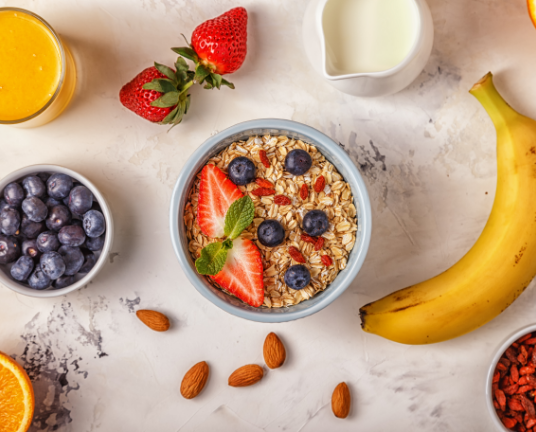
Bananas are an excellent source of nutrition. They are high in plant-based nutrients like antioxidants, such as dopamine and catechin. They are also a natural and high source for receiving vitamin B6, fibre, potassium, magnesium, vitamin C, and manganese.
A common symptom of PCOS is weight gain, which results from the excess production of androgen and insulin resistance in the body. That is why individuals with the problem need to understand and keep track of what they eat to prevent sudden weight gain.
Bananas help with weight loss because they are lower in calories than other fruits and have a high fibre content. It helps your stomach feel less hungry and more satiated for a longer period and will help you avoid unnecessarily large portions and snacking throughout the day.
Women with PCOS tend to have higher levels of oxidative stress, which require more antioxidants. Bananas have a large number of antioxidants. Women with PCOS are also at a higher risk for developing type 2 diabetes.
Bananas have a moderate glycemic index of around 42 to 62. While a medium GI may seem intimidating, bananas are rich in potassium, which helps regulate blood pressure.
Bananas are also a great source of B vitamins, which helps with the maintenance of blood glucose levels. So, the best way to eat bananas is in moderation.
Bananas provide us with a lot of nutrition. They are a good source of vitamins, potassium, and fibre. However, they have a medium GI, which could lead to an increase in blood glucose levels. That is why it is best to consume bananas in moderation when you have PCOS.
If you are wondering whether bananas are good for PCOS, the answer is yes, but it is essential to consider everything. Bananas are a good source of nutrition overall, providing vitamins, minerals, fibre and a lot of potassium. However, women with PCOS are prone to insulin resistance, so they cannot risk spiking blood sugar levels.
In addition, bananas have a moderate GI, which means that in moderation, their consumption is okay for those with PCOS. However, overconsumption may lead to spikes or increases in blood glucose levels.
Polycystic Ovarian Syndrome (PCOS) is an endocrine system disorder that affects a woman’s hormone level. Women with PCOS produce more-than-normal levels of male hormones, which causes a hormonal imbalance that leads to several health issues. PCOS affects women more particularly during their child-bearing age. This hormonal imbalance causes women to miss menstrual periods, making it […]
By Parul Dube

Polycystic Ovary Syndrome, or PCOS, as it’s more popularly known, is a prevalent hormonal disorder observed among women; wherein women experience irregular and prolonged periods, or excessive male hormone levels. Therefore, while the primary causes of PCOS are not known, timely diagnosis and management can prevent many complications such as type 2 diabetes in the […]
By Parul Dube

PCOD or Polycystic Ovarian Disease is a hormonal condition that affects 5%–10% of women. This is very common during their reproductive age. 9% – 22% of women suffer from the problem of PCOD in India. In our body, various hormones work in harmony to ensure the smooth functioning of all the systems. In the condition […]
By Parul Dube

Medically reviewed by
Gautham Shankar
PHD in colouring hair in darkness