X

Like What You See?

Stay updated on the latest and greatest from the world of HealthifyMe. Subscribe to our Newsletter today!

Summary

It’s hard to keep up with cooking oil fads. Even as India’s olive oil obsession continues to grow, there’s a new contender for the “world’s healthiest oil” title. Only this time, it’s a desi favourite – coconut oil. Coconut oil has been a staple in south Indian cooking since time immemorial, but it’s become a […]
,

Olive Oil vs Coconut Oil: The Healthy Option

Nahida

November 29, 2016 - 3:02 pm
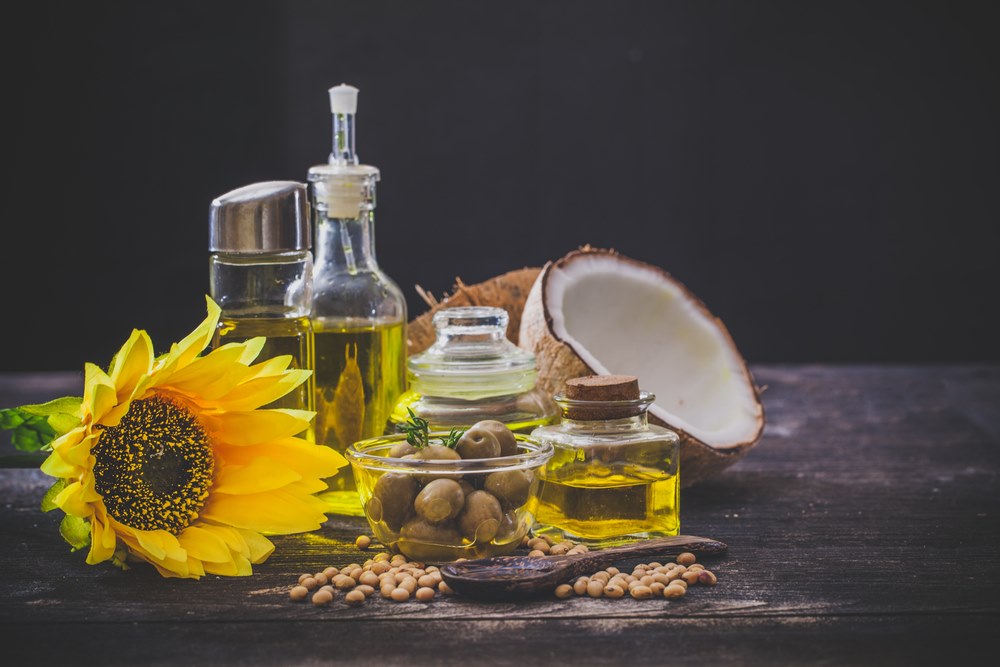
It’s hard to keep up with cooking oil fads. Even as India’s olive oil obsession continues to grow, there’s a new contender for the “world’s healthiest oil” title. Only this time, it’s a desi favourite – coconut oil.

Coconut oil has been a staple in south Indian cooking since time immemorial, but it’s become a global sensation only in the last few years and primarily for the role it plays in accelerating weight loss. Is it really the healthier choice over olive oil? Let’s compare the two.

Comparing two oils

Why coconut oil is good for you

coconut oil

  • Speeds up weight lossCoconut oil contains medium-chain fatty acids (MCTs), which are metabolized faster because they don’t have to be broken down in the intestines first. This means that your body is more likely to use them for energy and less likely to store them as fat.
  • Easy to digest – Coconut oil contains MCTs that digest quickly as compared to other dietary oils and fats.
  • It has a higher smoke point than other oils – It has a higher smoke point than other oils – Like ghee, coconut oil will not get oxidised when heated to deep frying temperatures. Oil oxidation degrades the quality of oil, which in turn is bad for the heart.
  • Leaves you satiated for longer – Compared to the same amount of calories from other fats, MCTs increase feelings of fullness and lead to an automatic reduction in calorie intake.
  • Tastes better – Using coconut oil as a base can enhance the flavours of several Indian dishes.

Why olive oil is good for you

olive oil

  • Full of good fatOlive oil contains 73% oleic acid, a monounsaturated fats (MUFAs) that is extremely healthy. Monounsaturated fats can help reduce bad cholesterol levels in your blood, which can lower your risk of heart disease and stroke. They also provide nutrients to help develop and maintain your body’s cells.
  • Packed with antioxidantsExtra virgin olive oil contains polyphenols, an antioxidant that prevents heart disease, high blood pressure and cholesterol, and certain types of cancer. It also contains an anti-inflammatory compound called oleocanthal, which acts similar to ibuprofen in the body.
  • Good for weight loss and digestion – MUFAs fill up your stomach and leave you feeling full. Olive oil also acts as a lubricant, easing symptoms of constipation.
  • Lowers blood sugar levels – A study has shown that consuming extra virgin olive oil helps lower after-meal blood sugar, which in turn reduces risk of Type 2 diabetes.

So what’s the healthier option?

You don’t have to choose one over the other – the healthiest option is to use a combination of different types of oils to derive benefits from all.

An average adult needs to consume 500 gm of oil per month, including ghee, butter or any other form of fat. Balancing three kinds of oil – coconut, olive and a vegetable oil like sunflower or soya bean (which contains polyunsaturated fats) – to a ratio of 0.5:1:1 is the best way to go. Be sure to include a little ghee in your diet too, as it contains Vitamin D, which is good for your bones,

Coconut oil contains saturated fat (considered a “bad fat” for its effect on heart health), which is why it should be consumed in modest amounts. Opt for the virgin coconut oil over the traditional choice because it’s chemical free and rich in antioxidants.

Using a variety of oils is also a treat for your palate. You can use olive oil for salad dressing and light sautéing – it has a very low smoke point – while coconut and vegetable oils are great choices to cook with, respectively.

Looking for more healthy diet advice? Our experts can help

[symple_button url=”https://healthifyme.onelink.me/2285251819?pid=Blog_Post&c=Sign_Up&af_dp=hmein%3A%2F%2Factivity%2FPlansv2Activity&af_web_dp=http%3A%2F%2Fhealthifyme.com%2Fhome&af_force_dp=tarue” color=”red” size=”medium” border_radius=”3px” target=”self” rel=”” icon_left=”” icon_right=””]Get fit with HealthifyMe. Sign up here[/symple_button]

What are GLP-1 peptides?

They are small sequences of amino acids that are secreted from cells in the small intestine and the brain. They work as physiological regulators of appetite and food intake – basically they transmit the message that the stomach is full to the brain.

About the Author

Nahida is a registered dietician with 9 years of experience, working extensively with individuals dealing with obesity, diabetes, thyroid and PCOD. In addition, she has worked with NGOs supporting cancer patients by providing them with nutritional counseling. After completing her post-graduation in Dietetics & Applied Nutrition from Mumbai University, she went on to finish her MBA in Healthcare Services. Nahida is also a certified diabetes educator from International Diabetes Center. Currently a Sr. Nutritionist with HealthifyMe, Nahida is looking forward to let people take their weight off their mind and body by enjoying the journey.


Related Articles

5 Diabetes Food Myths

Diabetic eating doesn’t have to be devoid of all things sweet and nice.   Despite the high prevalence, misunderstandings about diabetes are abounded. If you’re diabetic, you are sure to have heard of a long list of things to avoid. But diabetic eating can allow for many things sweet and nice. Here we debunk 5 common […]

By Nahida

How to Healthify everyday foods: Pasta

Love pasta but calorie conscious and scared to make it a part of your diet? Here’s how you can prepare a healthy pasta without losing out on the taste factor. How to prepare a healthy pasta A one pot meal: Add meat, a wide range of vegetables and herbs, lentils, nuts, and some cheese, too. This […]

By Nahida

Do you overeat at mealtimes?

If you have a tendency to overeat at mealtimes, here a few tips that might help.  Severe hunger pangs can sometimes cause you to overeat. So have frequent, small meals during the day to keep this under check. Next, eat slowly. Did you know that it takes about 20 minutes for your brain to register your stomach is […]

By Nahida

Add Your Comment

Your email address will not be published. Required fields are marked *

Medically reviewed by

Gautham Shankar

PHD in colouring hair in darkness