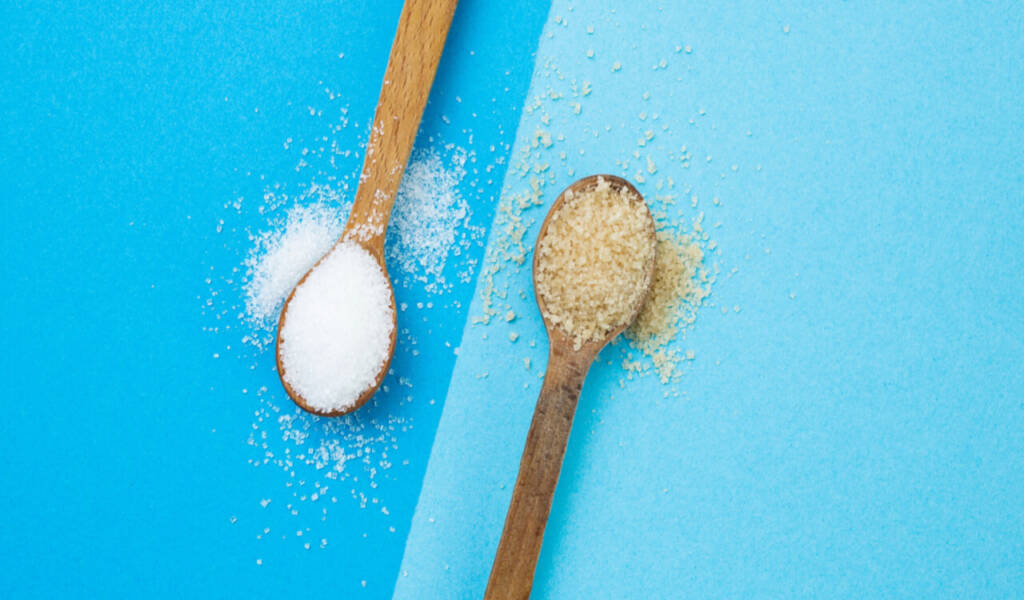
Is Brown Sugar Really Better than White Sugar?

Alpa Momaya
July 6, 2022 - 10:30 am
Stay updated on the latest and greatest from the world of HealthifyMe. Subscribe to our Newsletter today!
While we share a rather magnetic relationship with our desserts and shakes, sugar is a harmful choice that breaks down our body in more ways than one. A survey conducted by WHO in 2019 observed that diabetes killed around 1.5 million people worldwide. It has become a global factor contributing to health problems. The toxic truth about sugar is that it makes the body vulnerable to numerous other diseases like high blood pressure, obesity and heart issues. Thus, brown sugar or white, excessive intake of either can be hazardous to your health.
This article will reflect upon the process of producing Brown and White Sugar, learning their nutritional value & properties, discussing the health benefits, risks and their substitutes. Thus, help you make a healthier choice between the two. So, before digging deep, let’s know about its process of production.
The initial manufacturing process is similar for both Brown Sugar and White Sugar. The sugarcane is first juiced and then boiled to form a thick syrup called molasses that eventually crystallizes. Next, the raw sugar crystals are formed when the crystallized sugar is centrifuged.
The final step of manufacturing is different for Brown and White Sugar. Then, it is processed further and the excess molasses is removed to create smaller crystals for producing white sugar. As for brown sugar, it is made by adding varying amounts of molasses to the refined white sugar.
It will be a surprise to people who think brown sugar is healthier than white sugar. But, they both have almost the same calorie content.
Brown Sugar contains only 0.25 fewer calories than its counterpart, which is negligible. For instance, 1 teaspoon (5gm) of both brown sugar and white sugar will have 20 calories.
Brown Sugar is equally high in carbohydrates. However, unlike white sugar, which is considered to have empty calories, brown sugar contains some traces of micronutrients like iron, calcium, zinc, copper, potassium, phosphorus, and vitamin B-6. So, more or less, they are similar in nutritional profile.
Now that you know the nutritional content of both White sugar & Brown sugar and looking for a healthier alternative to these. Let us help you finger out a few substitutes for sugar that will preferably be great for your taste buds and your health. You can use stevia, coconut sugar, jaggery, honey and even maple syrup in your food and drinks.
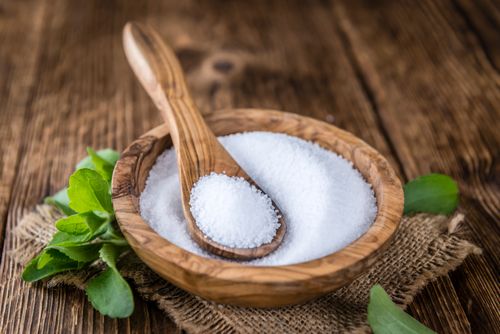
This plant-based natural sweetener, extracted from a plant named Stevia rebaudiana, is native to Central and South America.
It has no nutritional properties but also consists of zero calories. Thus, stevia leaf extract is gaining popularity as a substitute for sugar. It’s a boon for diabetic people with a sweet tooth, as stevia contains no additional carbohydrates. You can add it to your favourite food or drink.
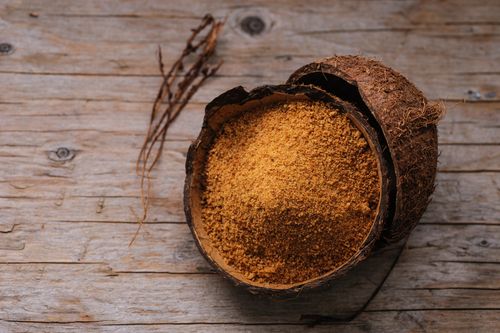
Both healthy and a popular choice among vegans, coconut sugar is a great substitute for sugar. Produced from the sap of coconut palm tree and thus undergoes minimal refining. So, it is organically extracted and then made into a syrup and eventually dried. Unlike Brown Sugar, which has little nutritional value, coconut sugar retains many nutrients like calcium, iron, zinc and potassium.
A teaspoon contains 18 calories, 5 grams of carbohydrate and 5 grams of sugar. It also consists of inulin, a soluble fibre that helps to control post-meal blood sugar spikes.
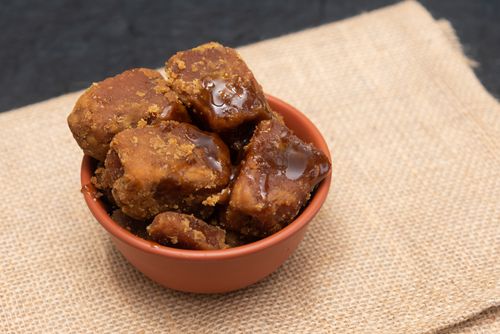
A non-refined substitute for sugar, made from sugarcane or a toddy palm tree, Jaggery is a popular sweetener in India, South East Asia and Africa. I
t is a great source of iron, calcium, magnesium, phosphorus, and potassium. Jaggery or Gur is also an excellent source of antioxidants that helps in reducing oxidative stress. 1 tsp of jaggery consists of 15 calories, 4g of carbohydrates. Nevertheless, you still need to restrain yourself from consuming more than required.
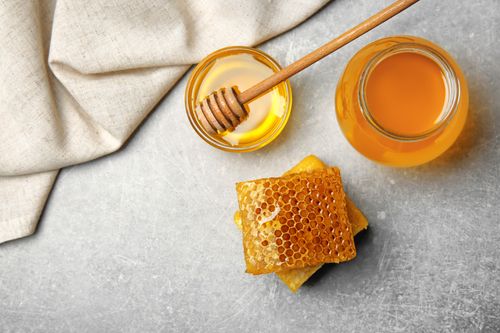
Though some may argue that honey is higher in calories than sugar, as per tablespoon contains 64 calories, 17 grams of carbohydrates and 17 grams of sugar.
It is also true that honey has other nutritional benefits that your normal white sugar doesn’t. Honey possesses anti-microbial and anti-inflammatory properties. It also has traces of iron, zinc and potassium. It also tastes sweeter than sugar, so to balance out, you may need less if you’re using it as a substitute.
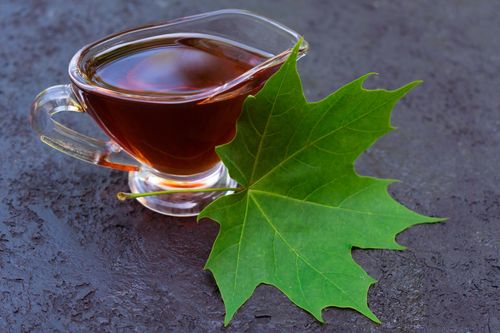
Maple syrup is a sweetener, originating in Canada, extracted from the sap of the maple tree and considered extra sweet. Some also praise the nutritional value of maple syrup, even if it is a high-calorie food.
A tablespoon of maple syrup contains 52 calories, 13 grams of carbohydrate and 12 grams of sugar. Moreover, it is also rich in manganese that is essential for healthy bones and other nutrients like iron, copper, zinc, calcium and potassium. Recent research also has found that Maple syrup is great to lower cholesterol levels and help in preventing Alzheimer.
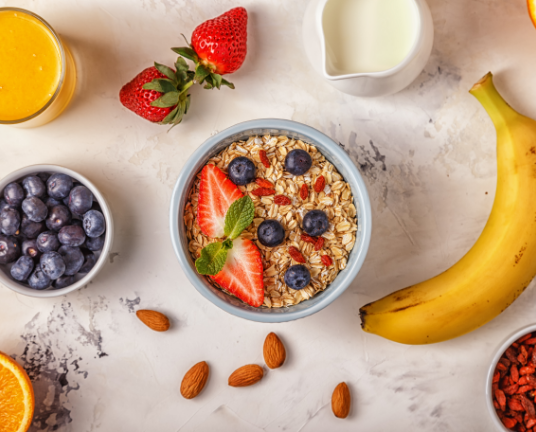
Since Brown and White sugar hardly make any difference in adding any nutritional value to your diet, you can choose a healthier substitute for these. Sugar is equally important to provide you with energy in the form of glucose. However, we sometimes inadvertently consume visible sugar in our teas/ coffees or invisible sugar in processed or baked foods or fizzy drinks. Also, make sure you limit your sugar intake and over the due course, make smart swaps to the healthier alternatives for overall health benefits.
To answer the question, is brown sugar really better than white sugar? No, it isn’t.
Though brown sugar has some minerals like calcium, potassium, iron and magnesium, these minerals do not omit the risk of illness and diseases that are caused by brown sugar. Nutritionists and dieticians never advise to include visible sugar, whether white or brown, into daily meals. So, you can limit its consumption to 1-2 tsp per day along with your favourite tea or coffee. Nevertheless, if you just have it for enhancing the taste, you can opt for other healthier alternatives.
No, it can’t be said that it is bad for health. The calorie content of brown sugar is comparatively less than white sugar. However, you must limit its intake in daily life.
Though Brown sugar has a lesser calorie content, it cannot be said that brown sugar is healthier than white sugar.
The nutrient profile of brown and white sugar is somewhat similar. So, a diabetic person is not advised to have brown sugar regularly. They can definitely have it in moderation in their favourite desserts and drinks.
If we consider calorie content, brown sugar has comparatively fewer calories than white sugar, making it a better option for weight loss. However, there are alternatives that can be an excellent choice if you are looking to cut down on sugar. Stevia, jaggery, honey or maple syrup are great options and aids weight loss.
Brown sugars boost metabolism, increase energy and are great for relieving menstruation cramps.

Moong dal is one of the most popular vegetarian superfoods. It is rich in high-quality proteins and other essential nutrients. The high protein content contributes to building and repairing tissues and building muscles, bones, cartilage, blood, and skin. A 100 g serving of cooked moong dal can provide you with about 6 g protein. It […]
By Alpa Momaya

Fish is a great source of heart-healthy lean protein. Dining on one or two servings of fish as your protein every week can lower the risk of heart attack by almost one-third. That’s because it contains heart-healthy omega-3 fatty acids, which lower triglyceride levels as well as help reduce inflammation throughout the body and support […]
By Alpa Momaya

It’s a pale liquid that appears deceptively weak, given it packs a real punch, kicking your fat-fighting metabolism into high gear. And while research has shown that exercisers who drink green tea lose twice as much weight as those who don’t, several questions about its potency remain unanswered – like are flavoured green teas as […]
By Alpa Momaya

Medically reviewed by
Gautham Shankar
PHD in colouring hair in darkness