Why diabetes and exercise go hand in hand

Saravanan "Sharu" Hariram
April 6, 2016 - 1:00 pm

Stay updated on the latest and greatest from the world of HealthifyMe. Subscribe to our Newsletter today!
With India being named the diabetes capital of the world, it’s time for us to take charge of our health. The best way to do this – yes, for diabetes patients as well – is exercise.
In our experience, people with diabetes who exercise regularly are able to follow a more normal diet than patients who don’t, have better blood sugar levels, and are often advised by their doctors to reduce medication—all within 3-6 months of starting on an exercise routine.
Diabetic patients, however, must be cautious while working out in the gym since they run the risk of turning hypoglycaemic. We, therefore, advise them to measure their blood sugar levels before and after exercise and keep their doctors in the loop.
The following exercises can help control blood sugar levels and improve the quality of life of diabetes patients:
This is recommended for diabetic patients starting out on training. Since diabetic patients tend to develop foot rashes, cycling is preferred over exercises like walking or jogging. Cycling is what we call a “non-impact” workout.
Walking, either on a treadmill or in the open, is helpful in controlling diabetes but patients must remember to wear proper footwear. Diabetic footwear, easily available in the market, has extra cushioning for the feet to prevent rashes.
This is extremely important for diabetic patients. Diabetes causes the muscles in the body to become resistant to insulin, which does not allow them to process calories. Strength training increases muscle sensitivity to insulin as a result of which they are able to burn calories better. Include squats, push-ups and lunges in your workout.
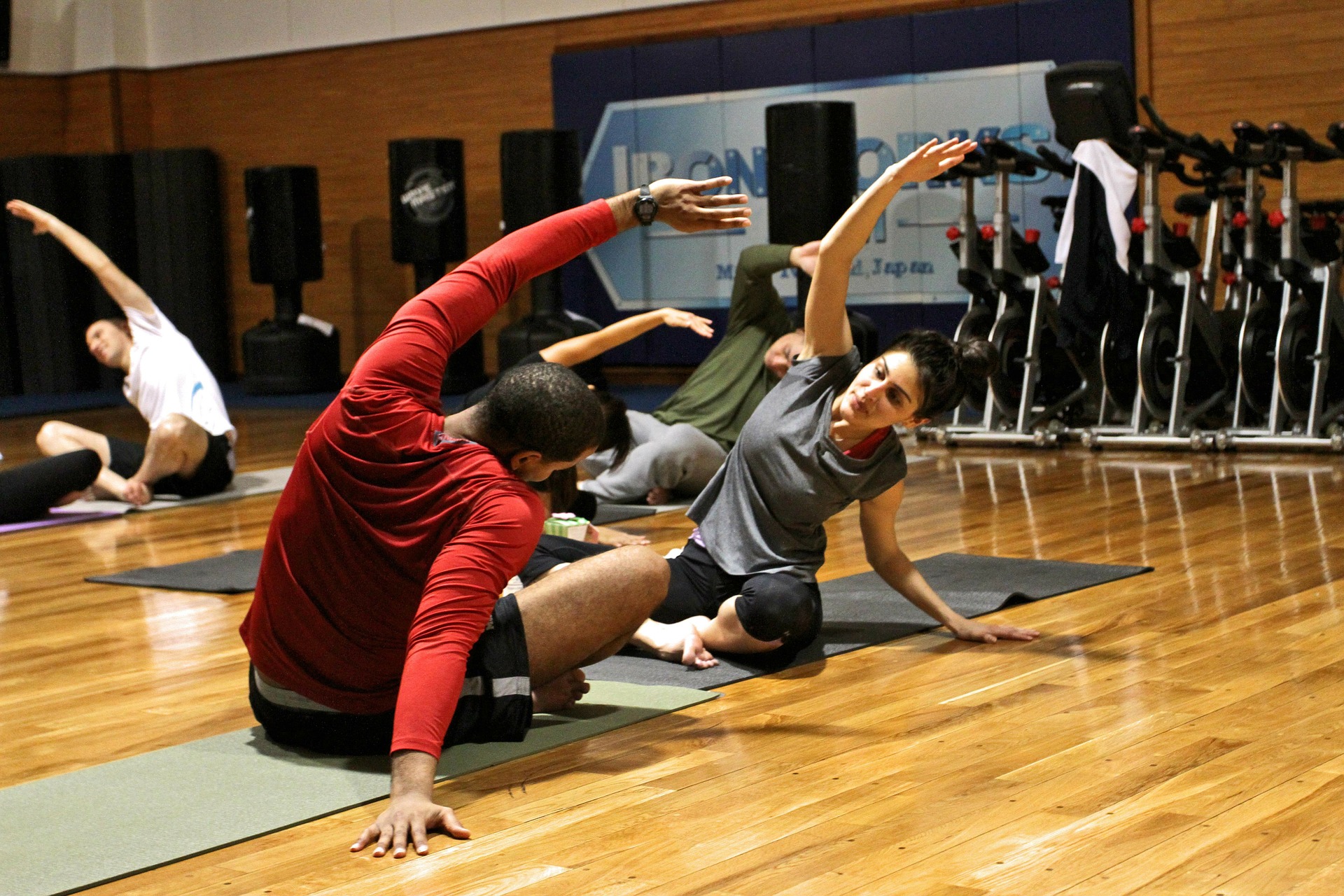
Diabetes patients often lose sensitivity of the lower body, leading to greater chances of accidents like tripping and falling (foot neuropathy). Flexibility exercises can help address such problems. Try total body stretches.
Yoga is great for diabetes since along with fitness benefits it also resets hormone levels in the body. Asanas that massage theinternal organs are particularly helpful in this regard. Try Marichyasana, Ardha Matsyendrasana and Halasana.
While diabetes patients can do all those exercises which normal people can, there are certain things they must bear in mind.

It is important to watch out for signs of hypoglycaemia in the patient during a workout session. Symptoms include low energy levels, increased sweating, incoherent speech, shivering, breathlessness and lack of body coordination. Diabetics must keep a source of simple sugar like candy or a glucose drink handy. A fitness coach trained in handling diabetes patients is aware of the signs of hypoglycaemia and can advise a suitable remedy.

While working out can be excruciating, don’t let baseless facts affect your training. Here are some common myths about exercising, that you can kiss goodbye. MYTH 1: It is too late to lose weight The truth: Whether your 40 or 70, it is never too late to start exercising. Weight loss, stamina increase and strength […]

Your days are packed, and exercise never makes it to your to-do list. But exercise is necessary. Learn how to squeeze in exercise into your busy day. MULTITASK If a chunk of your day goes in listening into conference calls or sitting in at meetings, why not get some exercise while you’re at it: While […]
Exercising does good to your heart, mind and body, but is not always the best thing to do. There are times when resting your body is better than a workout-induced endorphin high. Read on to find out when it’s best to avoid exercise. Fever: Fever is a sign that you’re body is fighting infection. At such a […]

Medically reviewed by
Gautham Shankar
PHD in colouring hair in darkness