5 Diet tips for Diabetics to manage their Sugar Levels better

Sumita Thomas
May 11, 2015 - 10:37 am
Stay updated on the latest and greatest from the world of HealthifyMe. Subscribe to our Newsletter today!
Sumita Thomas
May 11, 2015 - 10:37 am
Can I drink whole milk? Is white bread bad for me? Do I have to avoid everything deep-fried? If you are Diabetic, you may have probably had these questions and many more. As a Diabetic, you have to closely monitor your diet to keep blood sugar levels in check. But apart from what foods to cut out of your meal plan, it’s important you know what to include in your diet, as that can help effectively manage the condition.
The basic principle of a diabetic diet is to ensure that there is a right combination of all food groups while maintaining a slow release of blood sugar post meals while incorporating all important nutrients. Here are some diet tips for diabetics :
Fibre found in whole cereals like brown rice, whole wheat, lentils with skin, fruits and vegetables slows the rate of digestion and causes a steady release of glucose into the bloodstream. While increasing the Fibre-rich foods you must also reduce processed foods like biscuits, namkeen and white bread to a minimum. It is also advisable to snack on fruits and nuts and include a salad with both lunch and dinner. Try and have fruits and vegetables with skin, whenever possible.
Protein stimulates insulin release, which in turn helps control blood sugar.Thus, it is important to include sufficient protein in your diet. If you’re a vegetarian, add Lentils with skin, nuts and seeds, and low-fat dairy to your diet. If you’re a non-vegetarian, add chicken, fish, lean cuts of red meat and eggs to your diet. It is however important that you don’t overeat these foods either.
Large meals will lead to excess production of glucose in the body and eventual weight gain. A golden rule for diabetics is to eat on smaller plates as this encourages small servings. Switching the TV off while eating can also help you control the amount you eat.
Snacks are helpful in curbing hunger pangs and keeping blood sugar levels stable. Fruits, nuts, roasted chana, boiled corn, boiled sweet potato and moong chaat are some healthy and wholesome snacking options. Keep the intake of packaged food to a minimum, as they are low in essential nutrients and high in calories.
A diabetic diet is a long-term lifestyle change which needs to incorporate a wide variety of nutritious foods while being flexible enough to suit your taste. There are several myths associated with diabetes, one of them includes swearing off sugar and carbs, which is far from true. Clarify all your doubts by connecting with a Diabetes educator and ensure your diet is balanced and versatile.
Our coaches can help build a diet & fitness plan that fits right into your lifestyle. Get in touch today.
[symple_button url=”https://healthifyme.onelink.me/2285251819?pid=Blog_Post&c=Sign_Up&af_dp=hmein%3A%2F%2Factivity%2FPlansv2Activity&af_web_dp=http%3A%2F%2Fhealthifyme.com%2Fhome&af_force_dp=true” color=”red” size=”medium” border_radius=”3px” target=”self” rel=”” icon_left=”” icon_right=””]Sign up now[/symple_button]

Diabetic eating doesn’t have to be devoid of all things sweet and nice. Despite the high prevalence, misunderstandings about diabetes are abounded. If you’re diabetic, you are sure to have heard of a long list of things to avoid. But diabetic eating can allow for many things sweet and nice. Here we debunk 5 common […]

There was a time when a bowl of salad used to be part of Indian food, to be enjoyed on the side along with dessert and condiments. Now, people substitute their lunch or dinner with salad in order to cut down on calories. But are weight-fighting powers of salad exaggerated? There’s no clear answer to […]
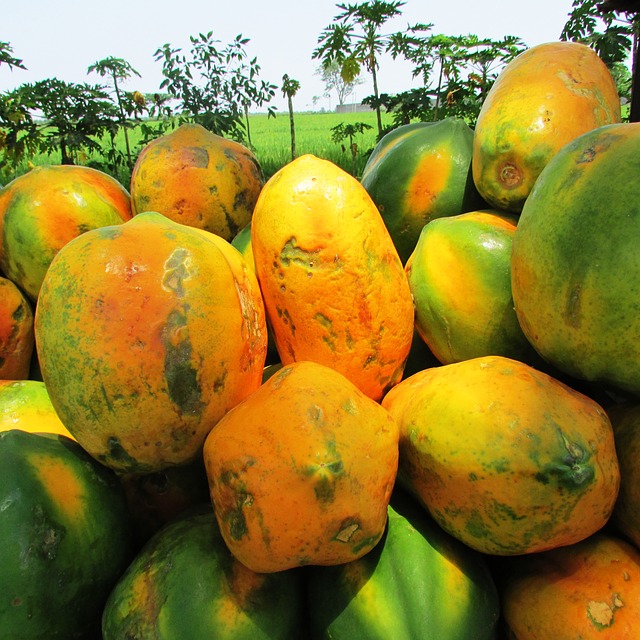
In weightloss fiber is an unsung diet hero. Despite offering crucial health benefits – reducing bad cholesterol, managing weight, improving bowel health and regulating blood sugar According to the USFDA guidelines, a 2,000-calorie diet will need around 15 g of dietary fiber a day. However, consuming fiber does not mean stuffing yourself with fruit and […]

Medically reviewed by
Gautham Shankar
PHD in colouring hair in darkness
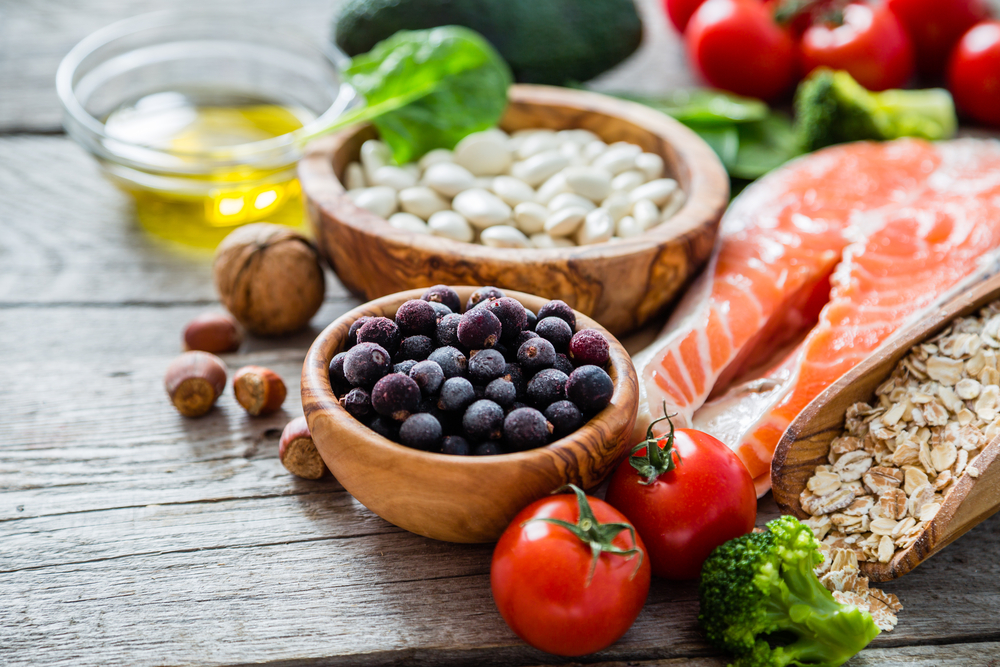
1. No fruit juices or sugray beverages. None. No colas or sodas. No coffee with sugar.2. No empty calorie foods. No cookies. No cakes. No pastries. No doughnuts. No potato chips. No candy.3. Look up the healthy weight range for your height. Maintain your weight at the lower end of that range.4. Eat leafy greens with every meal. About half your meal should be the leafy greens. Yum.You’re going to have to exercise. A 10-15 minute walk right after a meal is good. Every meal. Immediately after (as in, the fork goes down, the feet are moving out the door).I have type 2 diabetes and took drugs for it for years. I now manage it through diet and exercise as long as I stick to the diet and exercise, I am effectively cured.