Diet for hypothyroidism

R. Kalpana
March 5, 2015 - 12:58 pm
Stay updated on the latest and greatest from the world of HealthifyMe. Subscribe to our Newsletter today!
If you’ve been diagnosed with hypothyroidism, or an underactive thyroid, symptoms include fatigue, depression, constipation and weight gain. But along with medication, you can boost thyroid function with a well-balanced diet.
Thyroid hormones also play a major role in producing energy from the food that we eat. The gland needs certain vitamins and minerals to function effectively. These nutrients include selenium, Vitamin E, iodine, zinc and copper.
An early symptom of hypothyroidism is weight gain. Low-calorie, high-density fresh foods are important to keep that in check. Include either fresh fruits or veggies at each meal, if possible. While non-vegetarians get it through protein sources, for vegetarians rich sources of zinc include kidney beans, peas, watermelon seeds and dry dates.
Here are five nutrient rich options:
Home-made paneer, prepared with skim milk, is rich in nutrients like zinc which boost thyroid function.
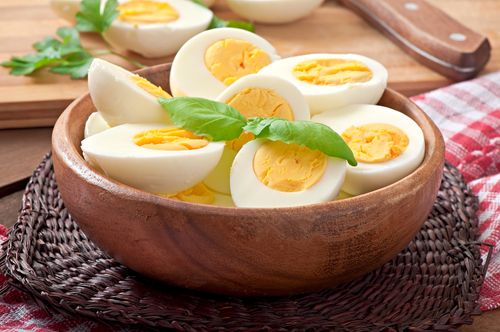
Both the white and yolk are a rich source of minerals like zinc, copper, selenium and vitamin E. It is also packed with protein.
Saltwater fish (tuna) and shellfish boost the thyroid function as they are rich in Omega-3, selenium and most importantly, iodine, an important component of the thyroid hormone.
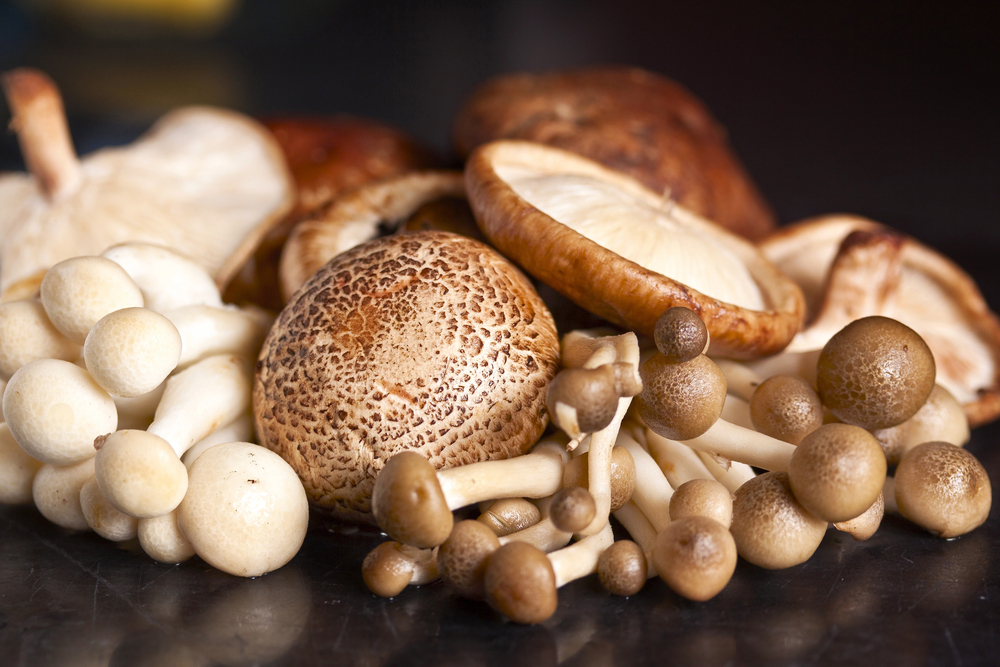
Mushrooms are rich in zinc, selenium and copper.
Constipation is a common symptom of hypothyroidism. Whole-grain foods such as cereal, bread, pasta and rice are high in nutrients in addition to fiber, which can help with bowel regularity. Grains and pulses, rich in zinc, are best when soaked several hours before cooking.
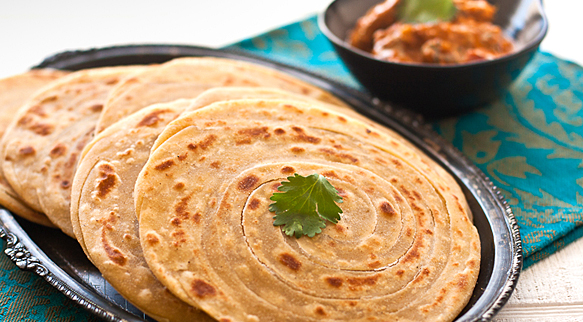
Who says parathas only make you put on the pounds? As long as you take care of the carbs and fat which go into making the Indian breakfast staple, it can be both nutritious and tasty meal. Palak lachcha paratha for instance is packed with nutrients and taste. Some tips – while preparing the paratha, […]
By R. Kalpana
You start your day with a glass of milk for calcium and regularly add palak to your rotis and salads to ensure you get enough iron. But are you having enough zinc? This lesser-known mineral is one of the most important nutrients for human health. It is vital for over 200 chemical reactions in our body and […]
By R. Kalpana
Seeds may be tiny, but they’re packed with nutrients such as protein, fiber, iron, vitamins and omega-3 fatty acids. They may also be good for your waistline, a recent study shows. The study, conducted by researchers from Harvard School of Public Health and published in an August issue of the American Journal of Epidemiology, revealed […]
By R. Kalpana

Medically reviewed by
Gautham Shankar
PHD in colouring hair in darkness