How to Build Strong Calf Muscles

Anisha Mishra
November 24, 2015 - 11:30 am

Stay updated on the latest and greatest from the world of HealthifyMe. Subscribe to our Newsletter today!
What sets a great physique apart from a good one? A superb set of thick diamond-shaped calves.
Muscular calves aren’t just only for the looks they provide. Strong calves can help support and stabilise your body during lifts such as the Deadlift and Squat, and during almost every sport. In fact, unless you’ve got calves strong enough to control the force the upper leg can generate, developed quads and hamstrings may be counterproductive.
The calf muscle, on the back of the lower leg, is actually made up of two muscles. The gastrocnemius is the larger calf muscle, forming the bulge visible beneath the skin. The gastrocnemius has two parts or “heads”, which together create its diamond shape. The soleus is a smaller flat muscle that lies underneath the gastrocnemius muscle.
How do you get those “diamond” calves? Clearly, by hitting the gym for lower-body workouts that will help build strength.
Experts say that much like the abs, the calves recover from workouts much quicker than other muscle groups and can be trained more intensively. They also respond well to periodized training that includes high-rep work.
I recommend resistance training (weight training /bodyweight) and performing reps between 8 to 12 reps to increase muscle hypertrophy.
Here are the exercises you should be focusing on:
The seated calf raise is an isolated strength exercise. It puts greater emphasis on the soleus, which comprises more slow twitch muscle fibres. I recommend performing higher reps on this movement.
The standing calf raise helps develop size and strength in the lower leg. Doing it regularly increases strength and range of motion in the ankle. You can also do it with weights as standing weighted calf raises.

The single-leg calf raise helps develop strength in the calves using different angles including toes forward, toes pointing outward, and toes pointing inward. The angles work all the muscle fibres in the gastroc and soleus.

On each set, it is the best start with a moderate weight and do as many full-range reps as possible. After that, do as many drop sets as necessary to reach 30 reps.
Ensure that you are consuming ample protein as it is critical to gaining muscle mass. Try and consume recommended pre-workout foods and end your strength training with a protein-rich post-workout snack.
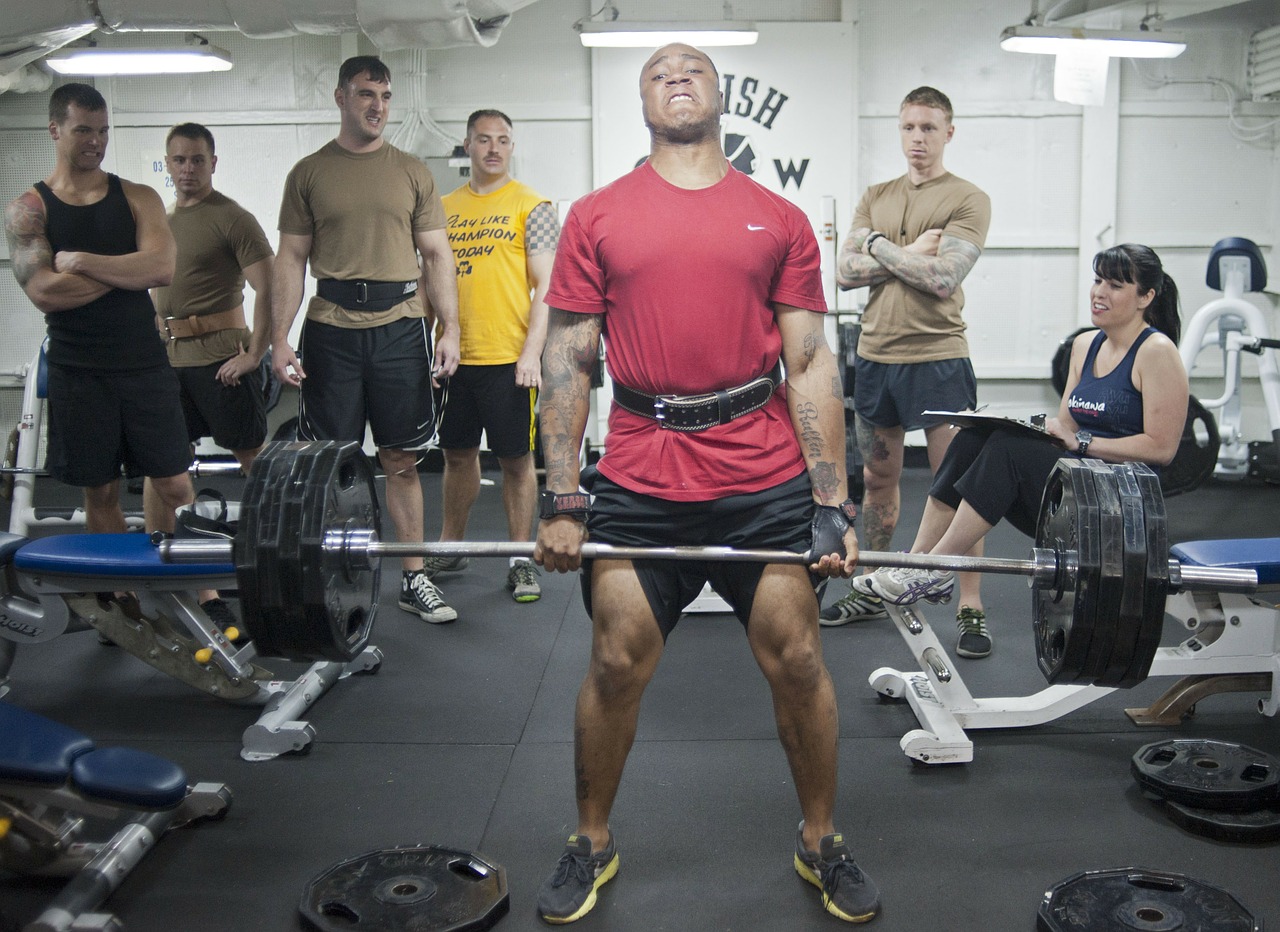
While working out can be excruciating, don’t let baseless facts affect your training. Here are some common myths about exercising, that you can kiss goodbye. MYTH 1: It is too late to lose weight The truth: Whether your 40 or 70, it is never too late to start exercising. Weight loss, stamina increase and strength […]

Your days are packed, and exercise never makes it to your to-do list. But exercise is necessary. Learn how to squeeze in exercise into your busy day. MULTITASK If a chunk of your day goes in listening into conference calls or sitting in at meetings, why not get some exercise while you’re at it: While […]
Exercising does good to your heart, mind and body, but is not always the best thing to do. There are times when resting your body is better than a workout-induced endorphin high. Read on to find out when it’s best to avoid exercise. Fever: Fever is a sign that you’re body is fighting infection. At such a […]

Medically reviewed by
Gautham Shankar
PHD in colouring hair in darkness