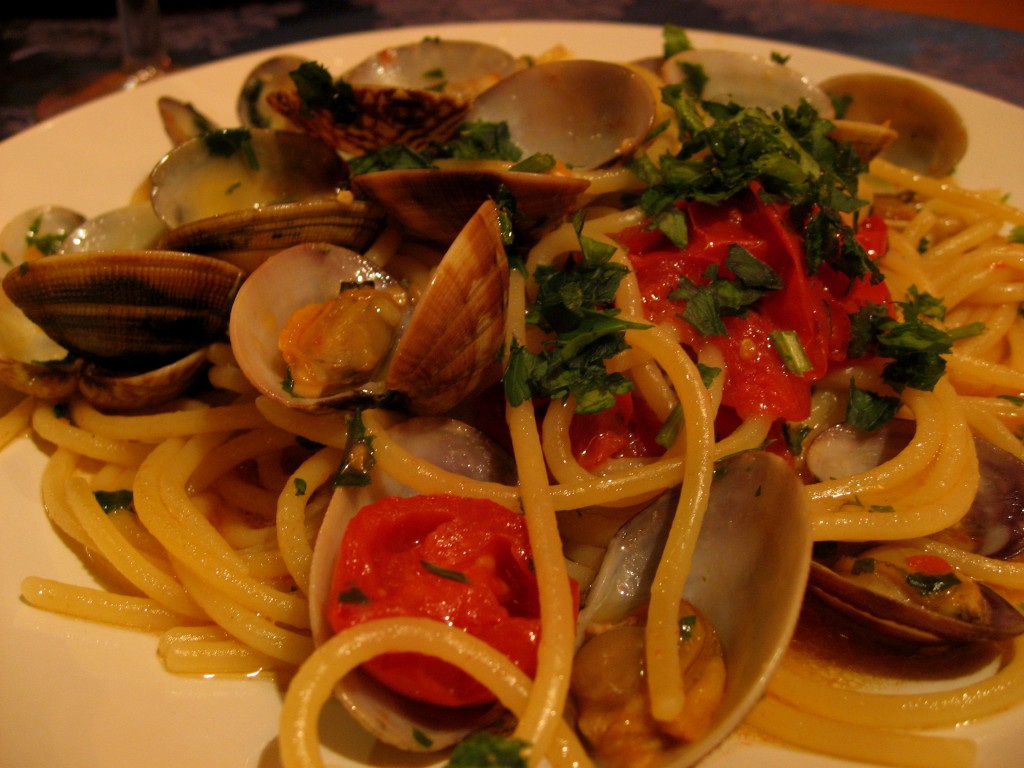
How to Healthify everyday foods: Pasta

Dr. Priyanka Marakini
October 22, 2014 - 12:32 pm
Stay updated on the latest and greatest from the world of HealthifyMe. Subscribe to our Newsletter today!
Love pasta but calorie conscious and scared to make it a part of your diet? Here’s how you can prepare a healthy pasta without losing out on the taste factor.
Add meat, a wide range of vegetables and herbs, lentils, nuts, and some cheese, too. This would make your bowl of pasta a nutrient-rich meal containing carbohydrates, vitamins and minerals. A cheesy pasta will give you the extra goodness of calcium.
Just pick the hi-fibre variety from your neighborhood supermarket. You can choose from a range of multi-grain and whole-wheat varieties.
The classic pasta is made with a rich-tomato sauce base, delicately spiced with herbs. So buy fresh tomatoes to make that sauce. And when cooked and reduced, this tomato sauce is a rich source of an antioxidant called lycopene. We’d recommend that you get lots of this antioxidant if you want to look younger for longer, as it has special anti-ageing properties. Add a dash of olive oil to your pasta to aid lycopene absorption.
For those of you who want to go the gluten free way, pasta can be your friend. Today, many brands make pasta out of brown rice, soya and corn. They taste just as good, too.
Pesto Pasta – 618 kcal
Pasta aglio e olio – 653 Kcal
Pasta in tomato sauce – 210 Kcal
Pasta and mushrooms in cream sauce – 255 kcal
Chicken Pasta – 293 Kcal

Diabetic eating doesn’t have to be devoid of all things sweet and nice. Despite the high prevalence, misunderstandings about diabetes are abounded. If you’re diabetic, you are sure to have heard of a long list of things to avoid. But diabetic eating can allow for many things sweet and nice. Here we debunk 5 common […]

If you have a tendency to overeat at mealtimes, here a few tips that might help. Severe hunger pangs can sometimes cause you to overeat. So have frequent, small meals during the day to keep this under check. Next, eat slowly. Did you know that it takes about 20 minutes for your brain to register your stomach is […]

Sans cheese and other hi-calorie fillings, a sandwich can still be tasty. It can be a healthy sandwich. #1 Healthy chicken salad sandwich Ingredients: Multigrain bread – 2 Cooked chicken breast, sliced – 1/4 cup Chopped apple – 2 tsp. Hard-boiled egg, peeled and chopped to pieces – 1/4 Low-fat yoghurt – 2tsp. Black pepper […]

Medically reviewed by
Gautham Shankar
PHD in colouring hair in darkness