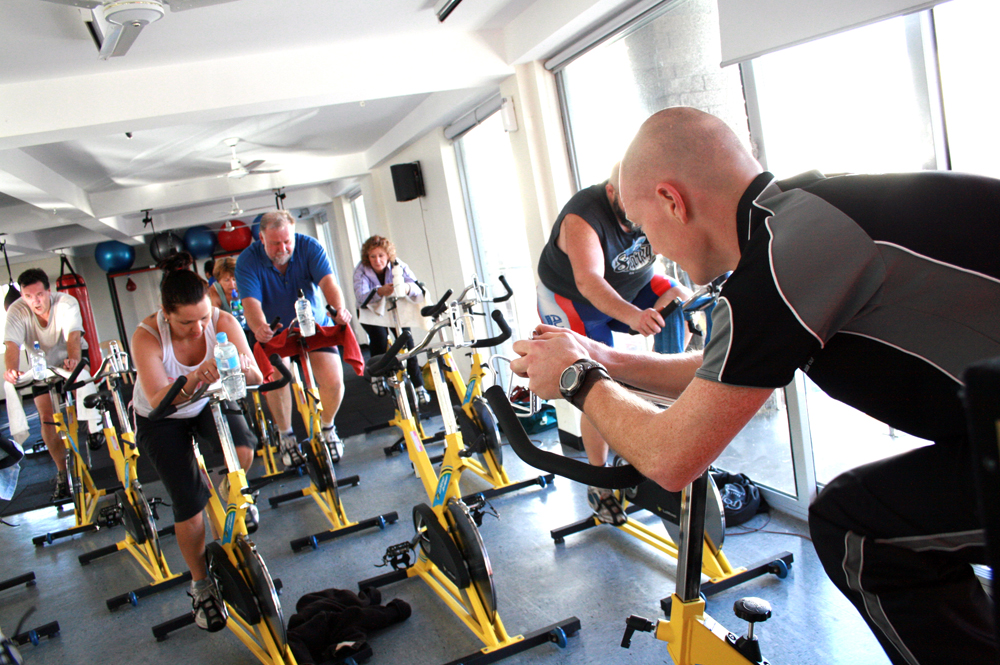
Is Tabata the best form of high-intensity interval training?

Shaik Moyeenuddin
March 17, 2015 - 4:15 pm

Stay updated on the latest and greatest from the world of HealthifyMe. Subscribe to our Newsletter today!
Shaik Moyeenuddin
March 17, 2015 - 4:15 pm
Trainers today recommend short, intense bouts of exercise as part of your workout regimen. Popularly known as High-Intensity Interval Training or HIIT, it keeps your metabolism revved for hours after you leave the gym. It also stimulates muscle-building hormones, which helps in building lean mass, and strengthens the cardiovascular system. While the advantages of HIIT are many, so are its forms – but in my opinion, the Tabata Method or Protocol is the best kind of HIIT you can opt for.
The Tabata method, based on a 1996 paper written by Japanese professor Izumi Tabata, is one of the earliest reported protocols for the HIIT method of training.
In its most basic form, the Tabata method is 20 seconds of hard training followed by 10 seconds of rest repeated eight times. Which is why it is also known as the 4-minute workout (8 x 20 seconds effort + 8 x 10 second rest = 4 minutes).
The High Intensity workout phase for the Tabata protocol was originally performed at approximately 170% of VO2 max (a measure of the maximum capacity of your body to use oxygen during a period of exertion). In simple terms, this is an extreme intensity workout where you are working at close to your maximum heart rate. According to Dr Tabata, “If you feel okay after the session you have not done it right! The first three sessions should be easy and the last two should feel impossibly hard…”
Dr Tabata’s study, involving Olympic Speedskaters, used 20 seconds of ultra-intense exercise followed by 10 seconds of rest, repeated continuously for 4 minutes (8 cycles). The exercise was performed on a mechanically braked cycle ergometer.
When this was repeated over a period of six weeks, four times a week, the athletes saw a 28% increase in their anaerobic capacity (HIIT, although based on aerobic exercises like running, cycling and rowing, effectively become anaerobic when performed in excess of 90% maximum heart rate). There was also a 15% increase in their VO2 max, which is considered a good measure of cardiovascular fitness. A control group performed a steady state cardiovascular workout lasting one hour, five times a week. Their VO2 max scores increased by just 10% and their routine had no significant effect on their anaerobic capacity. Over the six-week period the Tabata group recorded 120 minutes of training compared with the control group that recorded 1,800 minutes!
The difference between Tabata and other HIIT workouts are that the rest and work periods in Tabata are shorter compared to HIIT, and Tabata pushes the limit on the percentage of your maximum heart rate. It is ideal for people whose schedule is too busy for full workouts, want to increase their cardiovascular stamina in minimal time and feel as though their metabolism is sluggish or slower than it ought to be.
A Tabata workout can be designed to your activity preference. Some examples of popular exercises are:
– Outdoor sprints
– Stationary bike
– Elliptical trainer
– High intensity cardio exercises: Jumping jacks, burpees, squat jumps, etc.
– High intensity strength training exercises: Squats, pushups, lunges, etc.
Doing the same exercise 8 times can cause fatigue; one way to combat that is to mix and match exercises in the same Tabata cycle. For example, alternating a jumping jack with a squat jump or even doing 8 different exercises throughout the cycle.
Note: Tabata training is best for advanced exercisers who are comfortable with high intensity exercise. If you have any medical condition, please check with your doctor before engaging in this form of exercise.
To get started with the best diet & training choices for your fitness or weightloss plan, sign up today and speak to our experts.
While working out can be excruciating, don’t let baseless facts affect your training. Here are some common myths about exercising, that you can kiss goodbye. MYTH 1: It is too late to lose weight The truth: Whether your 40 or 70, it is never too late to start exercising. Weight loss, stamina increase and strength […]

Your days are packed, and exercise never makes it to your to-do list. But exercise is necessary. Learn how to squeeze in exercise into your busy day. MULTITASK If a chunk of your day goes in listening into conference calls or sitting in at meetings, why not get some exercise while you’re at it: While […]
Exercising does good to your heart, mind and body, but is not always the best thing to do. There are times when resting your body is better than a workout-induced endorphin high. Read on to find out when it’s best to avoid exercise. Fever: Fever is a sign that you’re body is fighting infection. At such a […]

Medically reviewed by
Gautham Shankar
PHD in colouring hair in darkness