Passion Fruit – Health Benefits, Nutrition and How to Eat It

Alpa Momaya
January 23, 2020 - 2:41 pm

Stay updated on the latest and greatest from the world of HealthifyMe. Subscribe to our Newsletter today!
Alpa Momaya
January 23, 2020 - 2:41 pm
Passion fruit is known for its pleasantly sour taste and tart flavour. It is packed with many plant-derived wholesome essentials offering optimal health. The fruit has gained popularity among health-conscious people due to its feature-rich properties.
Well, with that said, we are going to tell you everything you need to know about passion fruit – its nutritional value, health benefits, among others.
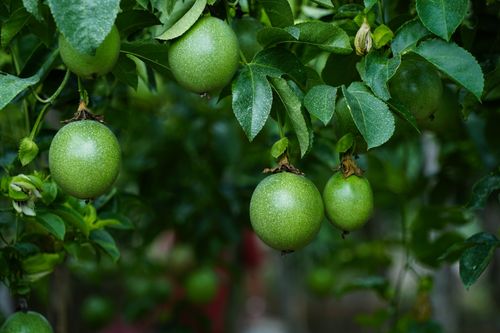
Passion fruit, also known as passiflora, is a flowering tropical vine that grows in warm and humid climates. It contains a soft pulp that has lots of edible seeds inside the hard rind. It is a versatile fruit that enhances the flavour of anything you add it to. Also, you can eat the pulp and seeds, juice it, or add them to other shakes and juices.
There are different varieties of passion fruit that vary in color and size. Golden yellow and purple varieties are the most common ones that are available in the market. Passiflora flavicarpa is large, oval or round shaped that boasts a golden yellow skin.
On the other hand, passiflora edulis is a small oval-shaped variety that has purple skin. While purple passion fruit is native to South American countries, golden yellow ones are majorly found in Asia and Australia. Although passion fruit is a tropical fruit, there are some varieties that can survive even the sub-tropical weather as well. This is the primary reason they are found in almost every corner of the planet.
The fruit has also gained a lot of popularity due to its richness in some powerful antioxidants and other nutrients that offer tremendous health benefits. Let us look at the nutritional profile and potential health benefits of passion fruit.
The following tables put light on the mineral contents and nutritional facts of passion fruit.
For a 100-gram serving:
Given Below are some important health benefits that the fruit provides:
Passion fruit boasts a healthy nutrition profile, making it a beneficial fruit to consume. It is rich in vitamin A, which aids the immune system, vision, and skin. The fruit is also rich in vitamin C which is an important antioxidant.
All these nutrients make up for the daily recommended intake which the body needs. From phosphorus to niacin, iron, potassium, fibre, and more, passion fruit is one of the foods that contains all the essential minerals and vitamins required by the body on a daily basis, for its healthy functioning.
Passion fruit is citrusy in flavor with a tang of sweetness. It is filled with antioxidants that help your body get rid of harmful free radicals. Antioxidants are vital for your body’s immune system functioning as they help keep the body free of ailments.
According to experts, antioxidants are responsible for keeping the blood flow normal and intact, especially in the nervous system and brain, while warding off any harmful toxins in the blood.
Antioxidants also help in reducing inflammation and stress in the body, both of which are associated with diseases like cancer, heart disease, and Alzheimer’s disease.
Tropical fruits are filled with natural sugar, which makes them unfit for consumption if a person is suffering from high blood sugar. However, passion fruit is one of the few tropical fruits that has a low glycemic index (GI) value. It helps in maintaining blood glucose levels, thereby releasing sugar at a slower rate. This makes passion fruit a viable option and a great alternative to other fruits for people suffering from diabetes.
Passion fruit is a rich source of dietary fiber. Fiber is a significant component in every food you eat, as it helps in keeping the digestive system properly functioning and is responsible for keeping the gut health intact.
People with bowel disorders and constipation are advised to eat fruits that are rich in fiber as it helps make the stool softer, allowing for easy bowel movements.
On the other hand, according to experts, fiber is also beneficial in boosting heart health by reducing cholesterol. Since it doesn’t contain any sterols, it is a great fruit for people who have heart conditions.
For men below 30, the recommended daily fiber intake is 33.6 grams and for women below 30, the recommended daily fiber intake is 28 grams. Per 100-gram serving of passion fruit contains 10.4 grams of fiber. So, passion fruit covers a significant part of the recommended daily intake of fiber.
According to a study, there is a compound named ‘piceatannol’ found in passion fruit seeds that is said to improve an individual’s insulin sensitivity.
According to the study, 39 participants were part of this small scale research for 8 weeks. The study concluded that the overweight men who were provided with 20 mg of piceatannol has significantly improved their metabolic health and also gained insulin sensitivity against the men who have been given a placebo.
So, it is highly beneficial in reducing or preventing diseases like diabetes. Moreover, it can also help reduce the risk of many other diseases like heart problems, neural problems that impact the functioning of vital organs like the brain.

Passion fruit is a rich source of potassium, a mineral that is associated with heart health. Potassium can help boost cardiovascular health by normalizing blood pressure.
And the high fiber content in the fruit helps in removing excess cholesterol from the blood vessels. It ensures that the blood is properly traveling from the heart to other parts of the body preventing any blockage. Moreover, the sodium content in passion fruit is also low, which helps in keeping the blood pressure low.
Passionfruit is filled with ascorbic acid that is reported to improve cardiac autonomic nervous system. Ascorbic acid is well known to improve parasympathetic nervous activity (these are the activities which the body performs when the body is at rest) that performs a vital role in the prevention of cardiovascular diseases and dysfunction.
Passion fruit contains high amounts of vitamin C, which is an antioxidant. These antioxidants are responsible for fighting off free radicals and keeping the immune system healthy. In fact, it is important to have an intact immune system because, if it weakens, your body loses the ability to fight infections and other harm caused by external entities.
One of the great aspects of vitamin C is that it allows your body to absorb more iron from foods, which then makes the immune system healthy and powerful. So adding passion fruit to your daily diet is a great way to improve your immune system health and lead a healthy life.
The seeds of passion fruit comprise 8% Vitamin A that acts as a barrier against diseases and illness. It produces white blood cells that help in the filtering of foreign material like bacteria and pathogens in the bloodstream.
Those who are suffering from anxiety and stress are prescribed to eat passion fruit. This is because it is filled with magnesium that is said to have a powerful impact on the brain cells that keeps your mood fresh and happy.
According to experts, magnesium can help manage anxiety levels in people. Passion fruit is a rich source of magnesium content (around 5 milligrams) and therefore, can be consumed as anxiety-relieving food, for good mental health.
Passion fruit also includes P. incarnata. It helps relieve anxiety symptoms and calms your mind. A 2016 clinical trial on rats observed that P. incarnata gives the same result as any anxiety medication and can have sedative effects.
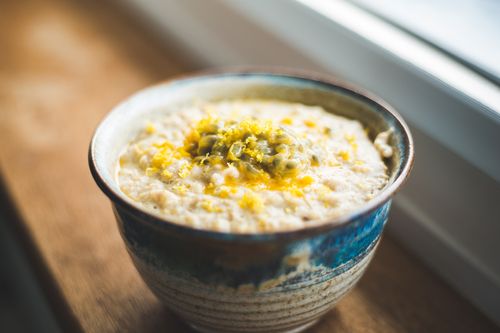
The best way to eat passion fruit is raw. However, one can add passion fruit pulp to smoothies, oatmeal, in salad dressings or even to desserts. Get the advantage of health and taste by adding this fruit to your meal.
Given below is a very healthy breakfast recipe that you can easily make at home:
Passion fruit comes with a plethora of health benefits. Although the fruit is sour and tangy, it makes for a healthy snack that can be consumed at any part of the day due to its richness in many nutrients. If you have never eaten a passion fruit, it is time you head to your grocery store and bring some home, for you won’t be disappointed with what the fruit has to offer!
A. Passion fruit can be called a superfruit with the numerous benefits that it offers. It provides antioxidants that reduce inflammation and prevent heart diseases. The fiber rich content in passion fruit regulates digestion, improves insulin sensitivity, etc.
A. Along with the loaded nutrient content, passion fruit also has a toxin called cyanogenic glycoside. This toxin can cause cyanide poisoning. However, this chemical is only present in fruit when it is in its unripe form. It is completely safe to consume once it’s ripe. Also, people with latex allergies should avoid eating passion fruit.
A. Yes, you can eat passion fruit seeds without hesitation. Though a little sour, they are filled with antioxidants, vitamin A and minerals, which provides essential nutrients to your body.
A. The fruit contains medicinal alkaloids and several phytonutrients that can act as a sedative and help with insomnia, restlessness and anxiety.
A. Passion fruit is enriched with vitamin C and is great in reducing oxidative stress and improving liver functioning.
A. It is a rich source of Vitamin C, Vitamin A, fiber, iron and potassium. It is also a low calorie fruit. The fiber makes you feel full, thus keeping you away from overeating. It can be a good option to include in your weight-loss diet.
A. There are some differences in taste like the purple passion fruit has a rich flavor, and is less acidic than the yellow. The purple passion fruit also has a higher proportion of juice i.e.35-38% higher than the yellow passion fruit.
A. Passion fruit is one of the very few tropical fruits that has a low GI value, making them a good option for people suffering from diabetes. It also improves insulin sensitivity.
A. The fruit is rich in antioxidants. It helps the body to heal and lowers inflammation.

Moong dal is one of the most popular vegetarian superfoods. It is rich in high-quality proteins and other essential nutrients. The high protein content contributes to building and repairing tissues and building muscles, bones, cartilage, blood, and skin. A 100 g serving of cooked moong dal can provide you with about 6 g protein. It […]
By Alpa Momaya

Fish is a great source of heart-healthy lean protein. Dining on one or two servings of fish as your protein every week can lower the risk of heart attack by almost one-third. That’s because it contains heart-healthy omega-3 fatty acids, which lower triglyceride levels as well as help reduce inflammation throughout the body and support […]
By Alpa Momaya

It’s a pale liquid that appears deceptively weak, given it packs a real punch, kicking your fat-fighting metabolism into high gear. And while research has shown that exercisers who drink green tea lose twice as much weight as those who don’t, several questions about its potency remain unanswered – like are flavoured green teas as […]
By Alpa Momaya

Medically reviewed by
Gautham Shankar
PHD in colouring hair in darkness

What can I use passion fruit for?
Hello Kiran Kumar, You can eat passion fruit as a whole or even add to your oatmeal, smoothes, sauces and salads.
How many passion fruits can I eat a day?
Hello Jancy, One serving of Passion fruit provides ¼ of the body’s required potassium. So, we can say it is safe to consume 1-2 servings of passion fruit in a day.
Is passion fruit good before bed?
Hello Andrea, You can have passion fruit before bed if you have trouble sleeping or you suffer from restlessness. It contains a chemical called somniferum that can serve as a sedative and help you sleep.
Is passion fruit good for health?
Hello Pavithra, Passion fruit is considered a fruit that provides numerous health benefits. It lowers cholesterol level, reduces the risk of diabetes and certain cancers.
Can passion fruit be eaten everyday?
Hello Prathibha, Yes, you can eat passion fruit every day. It improves digestion and aids to overall health.
Nice information on health benefits of Passion fruit. Great Recipe, will try.
We are so grateful for your kind words. Thanks for sharing your feedback with us. Keep following our blogs.
Love its name: “passion fruit”! Your blog posts are a true inspiration!
We are so grateful for your kind words. Thanks for sharing your feedback with us. Keep following our blogs.