Pregnancy Weight Gain – A Beginner’s Guide

Parul Dube
November 5, 2022 - 12:00 pm
Stay updated on the latest and greatest from the world of HealthifyMe. Subscribe to our Newsletter today!
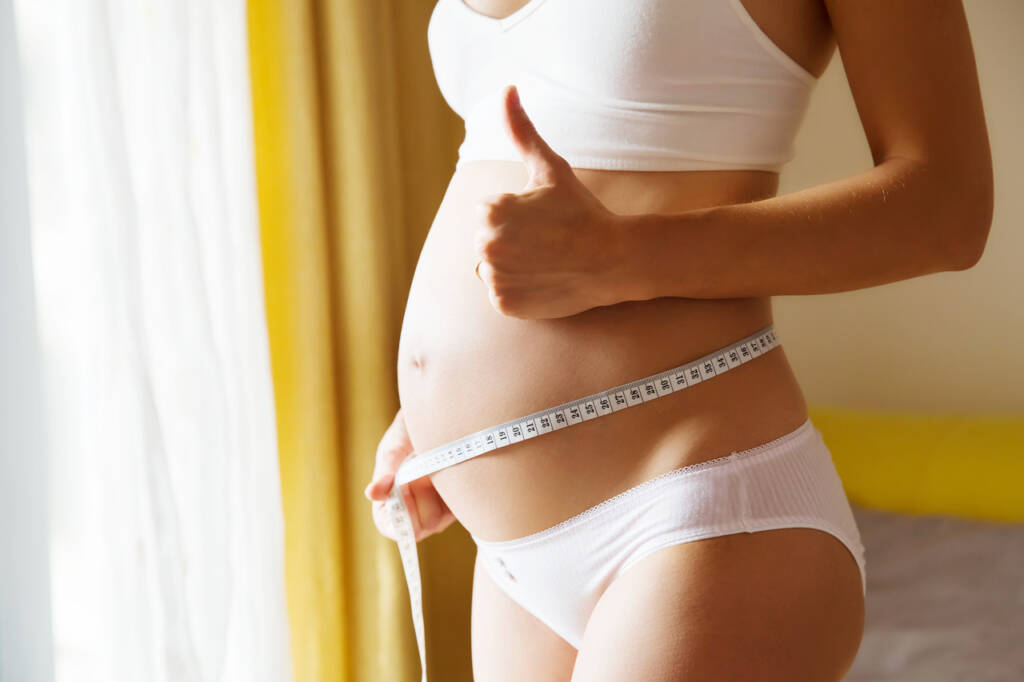
There are no official guidelines for how much weight you should gain during pregnancy because every woman is different. However, you need to gain some weight to support your growing baby and have a healthy pregnancy. But how do you know how much weight to gain while expecting? Does it depend on how much you weighed before you became pregnant? Keep reading to find answers to your concerns about weight gain during pregnancy.
Everyone is unique, and the weight you should gain may change depending on your pre-pregnancy weight, height, and if you’re expecting twins or multiples. Therefore, your doctor will use your pre-pregnancy BMI to determine how much weight you should gain during pregnancy. Your body mass index (BMI) calculates your body fat percentage based on height and weight.
You shouldn’t be too concerned if you don’t gain any weight throughout the first trimester or gain a little more or slightly less than expected. Gaining weight gradually is best, and worrying about gaining weight is common, particularly if you’ve experienced an eating disorder. It can be irritating to watch the number on the scale rise even though you know it is crucial to gain weight during pregnancy. A therapist or dietician can be helpful if you’re worried about the same.
Some women lose weight during the first several months of pregnancy, especially if they experience morning sickness. However, avoid trying to lose weight during pregnancy, as it is unsafe for you and the baby. Instead, remember that you and your baby need to gain weight healthily. If you are concerned about your weight, speak with your doctor.
Your pregnancy weight gain will not be entirely made up of body fat. Your body is also developing new body tissue while your baby grows. These are some more factors that influence weight gain:
The healthy weight you gain while pregnant may depend on your pre-pregnancy weight. Calculate your pre-pregnancy body mass index to determine the amount of weight you should gain. Women’s average pregnancy weight gain ranges from 10 kg (22 lb) to 12.5 kg (28 lb).
Twin pregnancies and morning sickness might also impact body weight gain. For example, if a woman has twins and her BMI is within the ideal range (18.5-24.9), she should gain between 37 and 54 pounds (16.8-24.5kg).
The amount of weight a person gains during pregnancy varies from person to person. The most important thing is maintaining a safe and healthy weight for you and your baby. A study found that only 32% of pregnant women gained the recommended weight, while 48% gained more and 21% gained less than the recommended amount. If you don’t gain the recommended amount of weight, it could have negative health impacts on both you and your unborn baby. Talk to your doctor if you are concerned about how much weight you are gaining (or not gaining) during your pregnancy.
In the first trimester, aim for a healthy weight gain of 1 to 5 pounds (0.5-2.2kg). Then, around 1 pound per week for the rest of the pregnancy. However, it’s also okay to gain no weight in the first trimester. Your pregnancy weight gain timeline depends on factors such as metabolism, activity level, diet, and genetics.
A pregnant woman shouldn’t try to lose weight rapidly or go on a diet while carrying a child. Instead, concentrate on maintaining an active lifestyle and eating healthy food. Your pregnancy could result in complications for you and your unborn child if you don’t gain enough weight. However, unless you start underweight, gaining too much weight increases pregnancy complications.
Here are some tips for managing how much weight you put on during pregnancy.
Gaining too little weight during pregnancy can be a cause of concern. While it’s normal not to gain weight in the first trimester, the remaining time requires a fair amount of pregnancy weight to safeguard you and your baby’s health. Consult a doctor if you’re concerned about weight gain. That said, eating a well-balanced, pregnancy-friendly diet can help maintain healthy pregnancy weight gain.
Cheap, home-grown and healthy – three reasons why you need to grow a liking for sprouts. Experts estimate there are over 100 times more enzymes (special types of proteins that act as catalysts for all your body’s functions) in sprouts than uncooked fruits and vegetables. The energy contained in the bean or legume is ignited […]
By Parul Dube

There are several benefits to doing yoga but perhaps one that isn’t often highlighted is how this ancient technique can help you lose weight, and also tone and strengthen specific body parts like help you lose belly fat. Certain yoga postures directly target belly fat and help build core strength too. Breathing exercise like kapalbhati, […]
By Parul Dube
Staying focused on a plan is always the hardest part about losing weight. While positive feedback does provide encouragement when you first start dropping sizes, it inevitably wanes. And with our tendency to use food as emotional support, slipping back into old eating patterns when we’re stressed, makes it doubly difficult to stay on course. […]
By Parul Dube

Medically reviewed by
Gautham Shankar
PHD in colouring hair in darkness