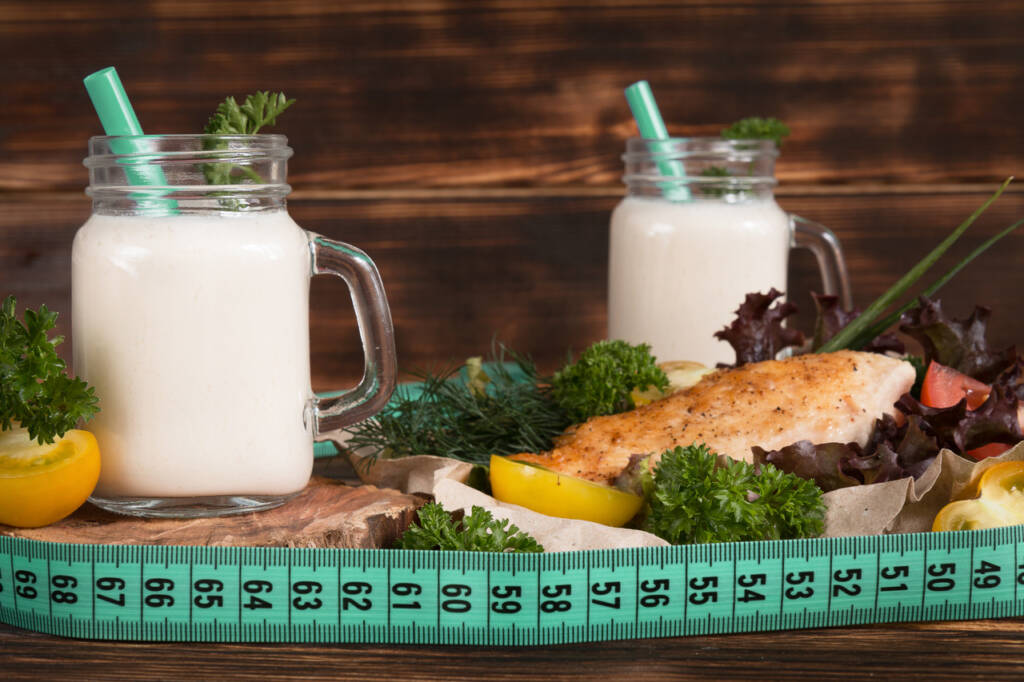
Understanding the Protein Weight Loss Mechanism

Parul Dube
September 14, 2022 - 2:00 pm
Stay updated on the latest and greatest from the world of HealthifyMe. Subscribe to our Newsletter today!
Protein isn’t a new word in our health vocabulary. We have learnt its importance as the building block of our body during school biology lessons. Now it is a buzzword among fitness professionals and enthusiasts. But, of course, protein can be controversial too, as in how much you should consume, who should not be consuming any, whether it can be helpful, and more. But we are here to tell you everything you need to know about protein and its association with weight loss.
The big question is – does protein help you lose weight? First, let’s dial it back to the basics for a bit. Starting with, what exactly is protein? Protein is essentially something that gives your body the energy it needs, along with the help it needs to build muscle mass. Proteins contain amino acids, which can be essential or non-essential. Our body produces the non-essential ones, but the essential amino acids are what we need to consume since they do not get produced naturally.
It is vital to understand where you can get your protein intake. There are many different protein sources, which can get confusing, especially if you have any dietary restrictions or allergies. The main idea is to know where you can get the optimum amount of protein without compromising on other factors.
Protein is of two types:
These come from animal products, mainly dairy-based products such as milk and yoghurt, and animal meat such as chicken, mutton, pork, etc. These get considered complete proteins primarily because they contain all nine of the essential amino acids that one needs to function.
These proteins get derived from plants, from peas and soy to chickpeas and brown rice. Unfortunately, these are incomplete proteins because they typically lack at least one critical amino acid your body requires.
You should ideally consume 0.8 grams of protein per kilogram of your body weight. So, weighing around 60 kg, a minimum of 60 grams of protein should be ideal. However, this also depends on other factors like your activity levels, body size, age, etc. For example, older people, more active people, and those who are pregnant or breastfeeding require more protein.
To complement your weight loss journey, increase your protein intake to around 1.6-2.2 grams per kilogram of body weight. You can also calculate it by keeping protein around 25-30% of your daily caloric intake. It will help you balance the amount of protein you consume while ensuring your intake is not too high. Protein is also best when you consume it in tandem with exercise.
It would help if you had protein daily; it helps repair and grow your cells. Protein deficiency is very rare but can happen to you if you are perhaps on a plant-based diet. Also, suppose you are not consuming nearly enough protein per day. In that case, it can be dangerous to your health, so supplement your diet with added protein. However, a diet that is extremely high in protein can also strain your liver and kidneys and cause osteoporosis because it causes your body to lose calcium. So, yes, protein can aid in weight loss.
Protein has many benefits for those who want to lose weight. Not only does it help you stay full for longer, but it also means that you consume less throughout the day. In addition, it preserves your lean body mass and increases the thermic effect of the food you are eating. Finally, protein consumption also helps make it more difficult for your body to store the excess food as fat.
Serving Size: 2-3
Preparation time: 20 minutes
Serving Size: 1
Preparation time: 5 minutes
Method
Note: The cooking time may vary; therefore, keep a close eye on your mug while in the microwave so that it does not overflow or overcook.
You can incorporate several foods into your daily routine to ensure that you have the correct amount of protein in your diet. Here are a few foods you can introduce to help your weight loss journey:
Limit your consumption of red meat, and stay away from processed food and cold cuts entirely. These usually come with a package of saturated fats and excess sodium content.
Protein has excellent benefits for those who are looking to lose weight. However, it is vital to remember that you shouldn’t just eat protein but consider a balanced meal. To get to a healthier you, ensure eating more protein-rich meals and regular daily exercise.
Keep one thing in mind as you navigate your weight loss journey. Up the protein, but keep it moderate. As is the case with everything, don’t go insane. The best approach is to keep things in moderation and get frequent exercise. Always remember to be flexible, pay attention to experts’ advice, and most importantly, your body.
Cheap, home-grown and healthy – three reasons why you need to grow a liking for sprouts. Experts estimate there are over 100 times more enzymes (special types of proteins that act as catalysts for all your body’s functions) in sprouts than uncooked fruits and vegetables. The energy contained in the bean or legume is ignited […]
By Parul Dube

There are several benefits to doing yoga but perhaps one that isn’t often highlighted is how this ancient technique can help you lose weight, and also tone and strengthen specific body parts like help you lose belly fat. Certain yoga postures directly target belly fat and help build core strength too. Breathing exercise like kapalbhati, […]
By Parul Dube
Staying focused on a plan is always the hardest part about losing weight. While positive feedback does provide encouragement when you first start dropping sizes, it inevitably wanes. And with our tendency to use food as emotional support, slipping back into old eating patterns when we’re stressed, makes it doubly difficult to stay on course. […]
By Parul Dube

Medically reviewed by
Gautham Shankar
PHD in colouring hair in darkness