Why resolutions fail and how you can make them #NOFAIL

Habil
July 1, 2016 - 4:12 pm
Stay updated on the latest and greatest from the world of HealthifyMe. Subscribe to our Newsletter today!
You started out the New Year, full of promise and hope. 2016 was going to be your year, the one in which you made a difference to your health and fitness by getting to your ideal weight and staying there. Cut to six months later. The resolutions have failed and so – it seems but you’re not alone. Why resolutions fail? let’s find out.
Research conducted in the UK at the end of 2015 showed that of the thousands of people who made health-specific resolutions, 43 percent didn’t last a month, 66 percent lasted a month or less, 80 percent lasted less than 3 months and 86 percent couldn’t keep up after a year. Why does this happen? Experts believe it’s because:
If you think “I will lose 2 kilos a week” or “I will gym every day”, you’re taking on too much. It’s sure to exhaust and dishearten you, making you more likely to give up.
Vague resolutions such as “I will get fitter” or “I will lose weight” are no use. All resolutions, experts believe need to be SMART – specific, measurable, achievable, realistic and time-bound – to succeed.
If you’re not able to focus on fulfilling your resolution, most likely than not you won’t! Sticking to a resolution is hard work and you need to be prepared for obstacles and setbacks.

If you’ve got too much on your to-do list, chances are that by the time you get to the fitness resolution, you will forget all about your intentions.
Modern life is a flurry of distractions – texts, videos, calls, work pressures and deadlines. These stress you out and can keep you from making progress.
Now that you know why you are failing, how can you ensure that your resolutions are # NOFAIL?
Taking small steps is more likely to ensure success rather than aiming for extremely ambitious plans. Break things down into small and achievable goals.
It could be a friend or a spouse, but having a fitness buddy – one who wants to get fitter or lose weight – could propel you towards your goal faster. Two minds are stronger than one!
Chances are that you won’t like picking up your gym bag and going for a session every other day, so think ahead by signing up for a group exercise that motivates you more. Keep healthy foods in your fridge and pantry to facilitate healthy eating.
The 80-20 rule that’s popular the world over applies here too. If you’re able to meet your exercise and diet rules 80 percent of the time, don’t lose sleep over the other 20 percent.
The fast pace of today’s world necessitates some slow time out for yourself in the form of yoga. Apart from making you healthier physically, regular yoga keeps you mentally fit. Be it a virtual class or a group session, sign up now!
Sure you can splurge on a brand new wardrobe once you hit your ideal weight but there’s no reason not to reward yourself on and off for the smaller victories – not skipping exercise for 20 days, eating healthy for 15 days, losing an inch off your waist! You’ll be motivated to do more.
The time to make sure that your New Year resolve doesn’t hit the dust is now. Let’s make it a #NOFAIL resolution!
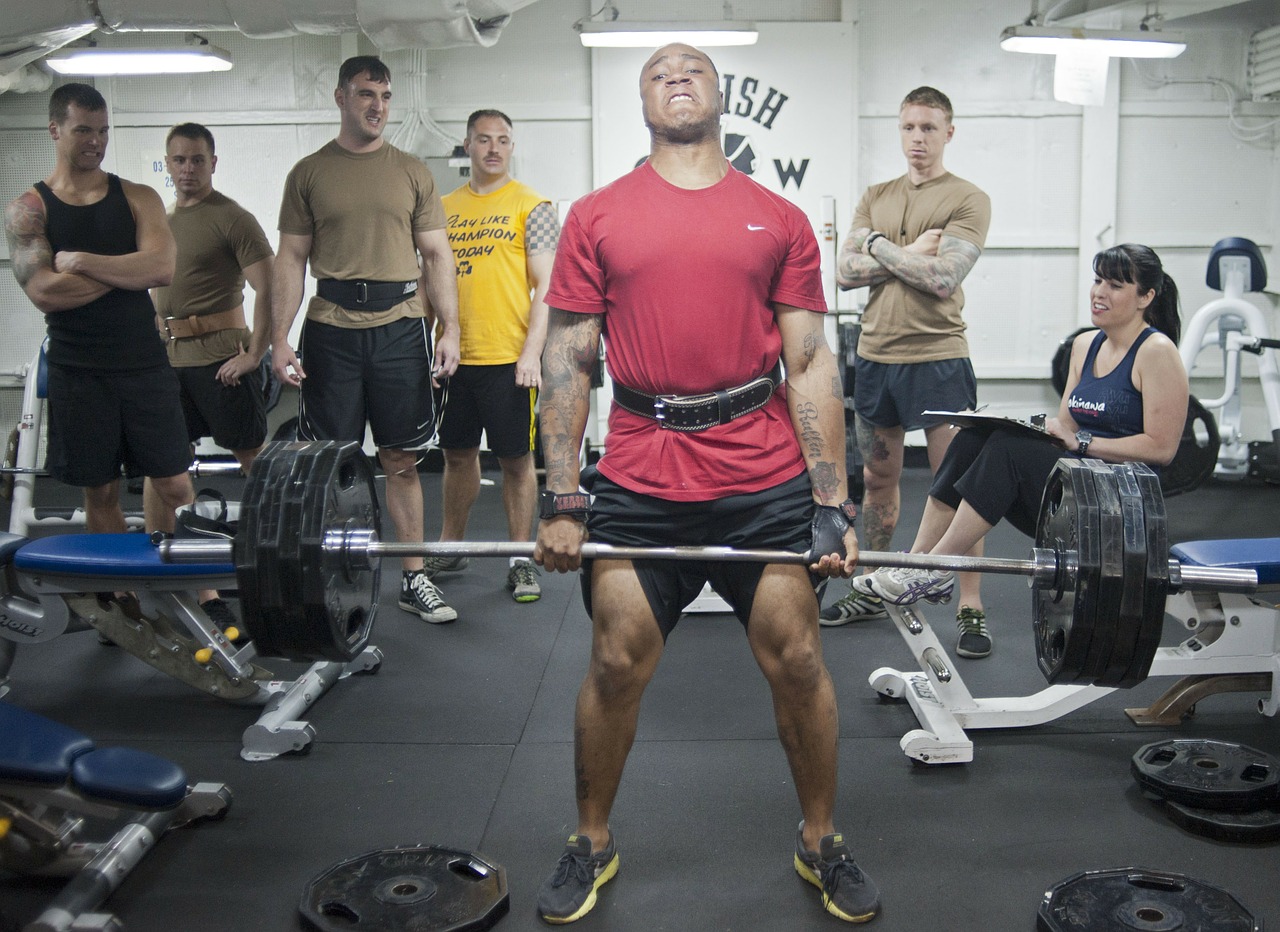
While working out can be excruciating, don’t let baseless facts affect your training. Here are some common myths about exercising, that you can kiss goodbye. MYTH 1: It is too late to lose weight The truth: Whether your 40 or 70, it is never too late to start exercising. Weight loss, stamina increase and strength […]
By Habil

Your days are packed, and exercise never makes it to your to-do list. But exercise is necessary. Learn how to squeeze in exercise into your busy day. MULTITASK If a chunk of your day goes in listening into conference calls or sitting in at meetings, why not get some exercise while you’re at it: While […]
By Habil
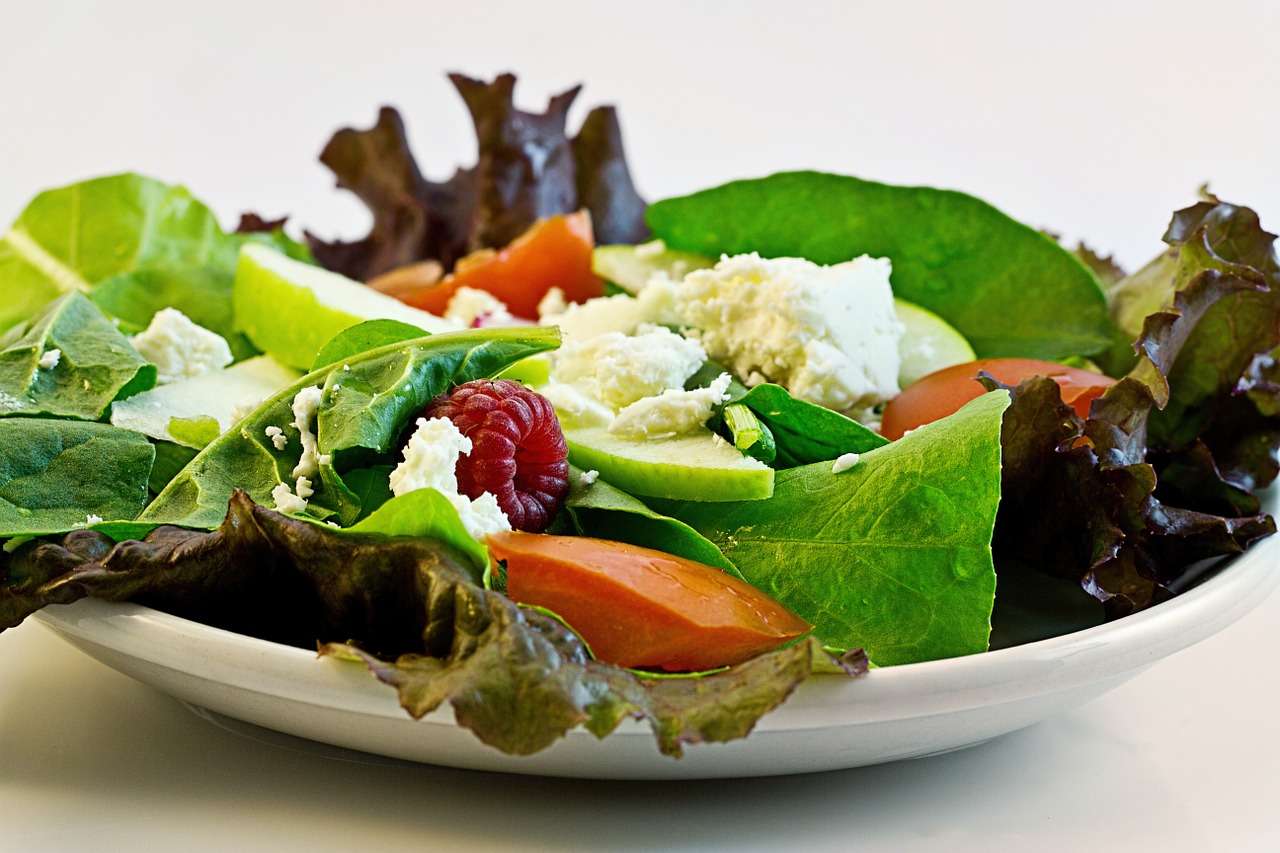
Trying to lose weight and get fitter? Want faster and better results? Here are some tips. 1. Eat on time It’s important to be consistent with your mealtimes. DO NOT eat breakfast at 9am on one day and at 11am on another. Your body will be expecting nutrition, and if it doesn’t get it on […]
By Habil

Medically reviewed by
Gautham Shankar
PHD in colouring hair in darkness