Sleep Disorders: Stages, Causes, Symptoms, and Treatments

Dr.Poonam Sharma
April 26, 2021 - 7:57 pm

Stay updated on the latest and greatest from the world of HealthifyMe. Subscribe to our Newsletter today!
Dr.Poonam Sharma
April 26, 2021 - 7:57 pm
Summary: Sleep is a key body function that is very important for an outstanding quality of life. An average adult needs 7-8 hours of sleep per day. The quality of sleep along with the number of hours is important for a healthy mind and body.
Sleep helps the body in:
If you are showing signs like:
1. Lying on the bed for hours trying to sleep.
2. Waking up in the middle of the night.
3. Feeling dull and sleepy even after sleeping through the night.
Chances are you may have a sleep disorder.
Sleep is a state of reversible unconsciousness. You may think and feel your entire body is resting while you sleep. But that’s not the case. During your sleep, the cells in the body undergo cell repair and cell restoration. This is one of the major reasons you wake up refreshed after a good night’s sleep.
Sleep cycle
A typical sleep cycle has many rounds. Each round in the sleep cycle has four stages. So in an average night’s sleep, you undergo four to six sleep cycles. The length of the sleep cycles varies and lasts for about 90 minutes.
The four stages in a sleep cycle include:
NREM Sleep
There are three stages in NREM sleep:
Stage 1 (also called N1)
Stage 2 (also called N2)
Stage 3 (also called N3)
REM Sleep
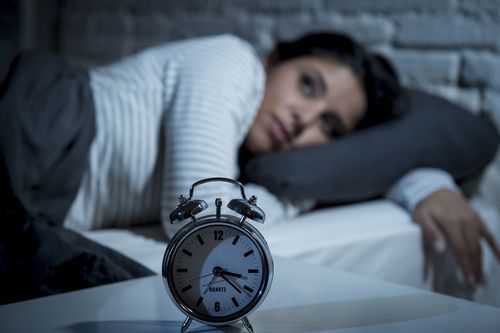
Sleep Disorder or Sleep-Wake disorder is a collective term for the conditions which affect your sleep habits. These conditions may affect the duration and the quality of your sleep.
Few causes of sleep disorders are:
Some of the most common types of sleep disorders include:
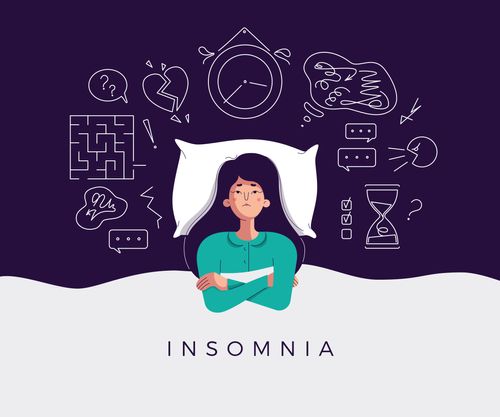
A condition in which you have difficulty falling asleep and you are awake throughout the night.

Also, a genetic condition in some. In this condition, you feel extremely sleepy during the day and can suddenly fall asleep during the day.
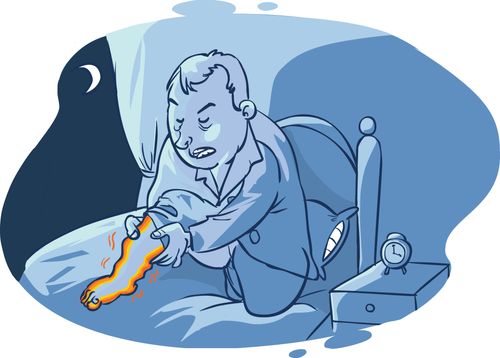
It is a kind of sleep-movement disorder. Here, you have an uneasy feeling and a strong urge to move your legs while trying to fall asleep.
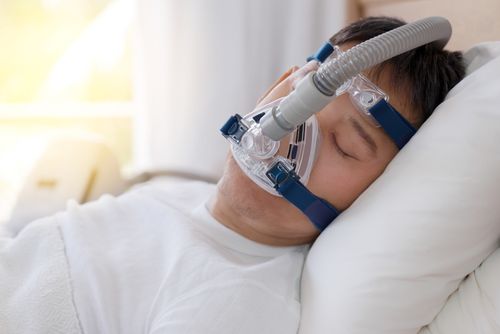
Sleep apnea is a serious sleep disorder. In this condition, your body stops breathing and then breathes in a repeated manner.
The signs and symptoms of sleep disorders include:
If you notice the above signs and symptoms, you should first see a doctor or a healthcare provider. He/ She will listen to your health issues and will address any concerns you may have. After diagnosing the condition and based on its severity, he/she will refer you to a sleep specialist.
The sleep specialist may ask you many questions related to your health, sleeping habits, lifestyle, stress factors, underlying medical conditions, and any medications you are taking. After reviewing your symptoms, the doctor will advise you to undergo a sleep study.
The sleep study is a test which records your body’s activity while sleeping. It determines if you have a sleep disorder and also the type of sleep disorder.
Your doctor will recommend the treatment options based on the type of disorder. The treatment options which your doctor may tell are:
Changes in lifestyle and practising good sleep hygiene can treat Insomnia. Narcolepsy, Apnea and Restless leg syndrome need medical intervention.
Here is a list of a few home-remedies useful in controlling symptoms of Sleep-disorder:
Sleep disorders are not fatal, but they affect the quality of your life. They can affect you physically, mentally and emotionally. This can affect your weight, performance at work/home and also cause mental health issues. If left untreated, you may also develop serious health complications in the long run. You should see a doctor if you feel you are showing signs and symptoms of a sleep disorder.
Exercising regularly, practising yoga, maintaining a healthy lifestyle and practising good sleep habits will help you in having a good night’s sleep.
A. The number of hours depends on the age of the person. An average adult needs 7-8 hours of sleep, while an infant needs 16 hours of sleep.
A. Some common signs and symptoms of sleep disorder are feeling sleepy and tired during the day, difficulty falling or staying asleep, night walking, night tremors, snoring, irregular breathing while sleeping.
A. Exercise every day, avoid caffeine and alcohol at bedtime, go to bed at the same time every day and optimise your sleep environment.
A. Insomnia is one of the most common sleep problems. It is a condition where you have difficulty falling asleep or staying asleep.
A. The treatment depends on the cause of the disorder. In most cases, if there is no medical condition associated with the same- lifestyle changes and the medications prescribed by your doctor are the treatment options available.

Banish that bread pakora that has become your 5 pm tea-time snack; savour these high energy, low calorie treats instead! Try these healthy Indian snack recipes instead. #1 Ragi Masala Idli Of all cereals and millet, finger millet (or ragi) has the highest amount of calcium (344 mg %) and potassium (408 mg %). Adding […]

Am I full? Can I eat some more? Could I still be hungry? Many of us experience these mixed signals that drive us to overeat, and now new research has revealed the cause. There isn’t just one, but dozens of hormones involved in sending hunger signals to the brain, from the stomach, intestine, fat tissue, […]

Ramzan, or Ramadan, is one of the most important festivals in the world with over 2 billion people celebrating the pious occasion. But, as you fast through the day and commit to the spiritual journey, it is also important to follow healthy measures during the post-fasting period. Most people have the misconception that fasting through […]

Medically reviewed by
Gautham Shankar
PHD in colouring hair in darkness