Strength-training for long-distance runners

Anisha Mishra
December 16, 2014 - 3:54 pm

Stay updated on the latest and greatest from the world of HealthifyMe. Subscribe to our Newsletter today!
Anisha Mishra
December 16, 2014 - 3:54 pm

Many believe that to be a successful runner, all you have to do is sprint regularly. The truth is that to become a stronger and faster runner you need to strength-train too. Some studies have shown runners can reduce injuries with just 10 to 20 minutes of strength-training daily.
A majority of runners benefit from total body exercises that work the entire body as a unit rather than each muscle individually. For instance, a squat works the entire lower body along with the core, whereas a leg extension only emphasises the quads. From an injury standpoint, multi-joint exercises help athletes to strengthen weak stabilizers and maintain better form.
How often do I strength-train? Consider how long you’ve been working out — both on the road and in the gym. For those training for a year or less, one day a week is a good start. Those with some experience in the weight room can start off with two days a week. For marathoners, at least three strength workouts are recommended every week.
The best time to introduce strength-training into a routine is during off-season when demands of running are low. It’s often easiest to add strength-training to a day when you’re already putting in a hard running workout as it also allows you to dedicate rest days to proper recovery.
What exercises can I do?
Bodyweight Squats – Stand with your feet hip distance apart with your toes facing forward. Sit back, without allowing your knees to go beyond your toes and wait till you feel your glutes, quads and hamstrings engage. Then come up to standing position. Complete eight to 12 repetitions, adding weight when this becomes easy.
Why it works Squats hit a lot of running-specific muscles, don’t require any equipment, and can easily be added to your post-run routine.
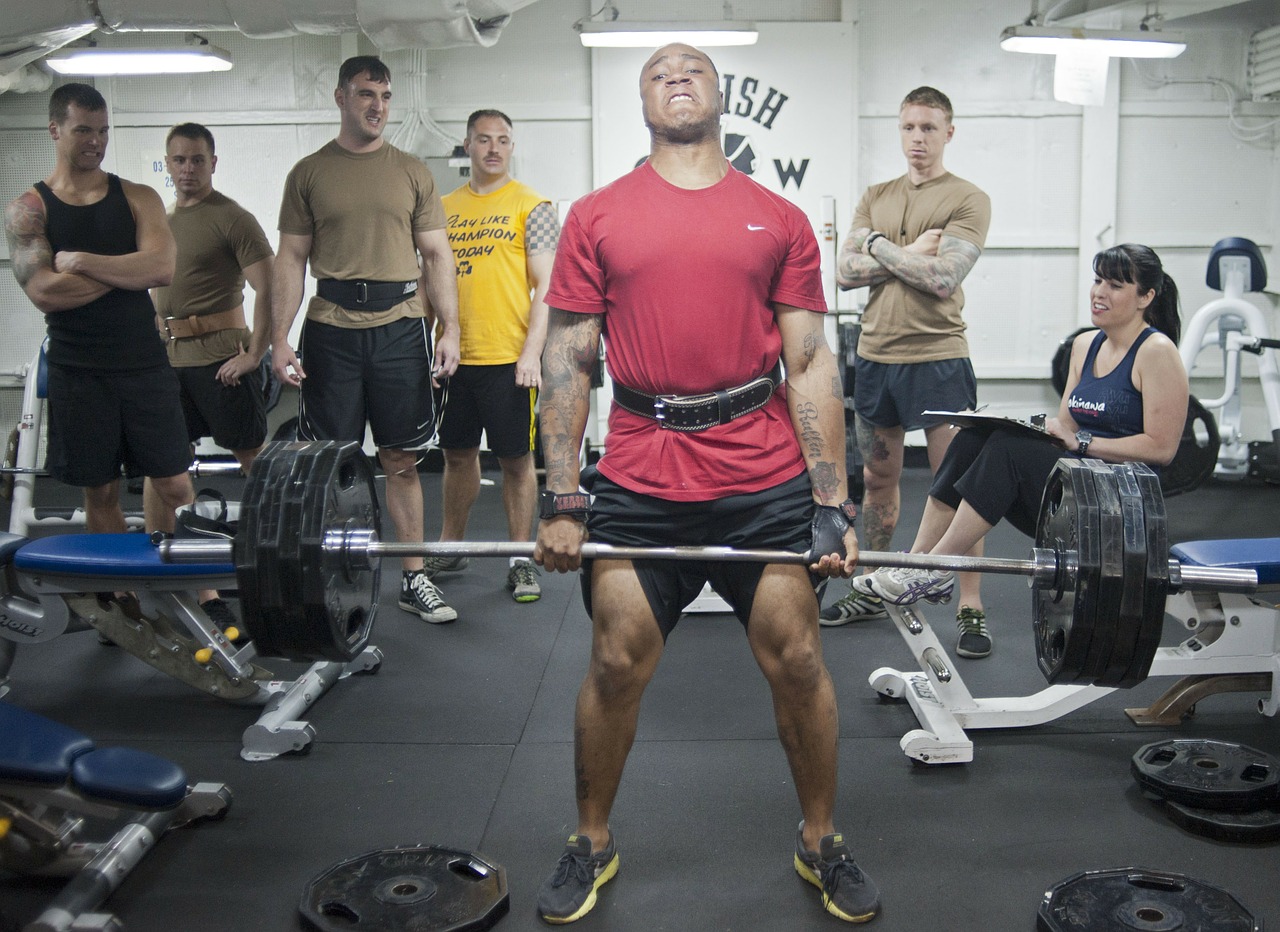
Single-Leg Deadlifts Holding a barbell in front of your body, bend one knee, hinge forward at the waist and lift the opposite leg behind you. Lower the weights, keeping them very close to the tops of your legs until you reach just below your knees. Engage the hamstring and glute of the leg planted on the ground and stand again. Repeat eight to 12 times and switch to the other leg.
Why it works A lot of runners are hamstring dominant and don’t use their glutes. Doing glute-specific exercises like this can build the glute muscles so they can be used when running. Donkey kicks and the single-leg pelvic bridge are other good exercises.
Core Work – Crunches, planks, the bicycle, reverse crunch are all effective.
Why it works Core muscles are vital and don’t always get worked enough with just running. Don’t just focus on abs — back muscles are just as important but often ignored.
Single-Leg Squats Balancing on one foot and squat down, bending at the knee and sitting your hips back as if you are going to sit in a chair behind you. Once down to about a 90 degree angle in your knee, extend your leg back up to standing. If this is too challenging allow the toes of your hovering foot to lightly rest on the ground. Complete eight to 12 reps and switch legs.
Why it works Runners basically hop from foot to foot for kilometers so it is important to stabilize your pelvis as it in turn centers your entire body, gait and stride too.
At Healthifyme.com our experts can help you prepare for your long distance running challenges by recommending the best diet and exercise plan.
[symple_button url=”https://healthifyme.onelink.me/2285251819?pid=Blog_Post&c=Sign_Up&af_dp=hmein%3A%2F%2Factivity%2FPlansv2Activity&af_web_dp=http%3A%2F%2Fhealthifyme.com%2Fhome&af_force_dp=true” color=”red” size=”medium” border_radius=”3px” target=”self” rel=”” icon_left=”” icon_right=””]Get fit with HealthifyMe. Sign up here[/symple_button]
While working out can be excruciating, don’t let baseless facts affect your training. Here are some common myths about exercising, that you can kiss goodbye. MYTH 1: It is too late to lose weight The truth: Whether your 40 or 70, it is never too late to start exercising. Weight loss, stamina increase and strength […]

Your days are packed, and exercise never makes it to your to-do list. But exercise is necessary. Learn how to squeeze in exercise into your busy day. MULTITASK If a chunk of your day goes in listening into conference calls or sitting in at meetings, why not get some exercise while you’re at it: While […]
Exercising does good to your heart, mind and body, but is not always the best thing to do. There are times when resting your body is better than a workout-induced endorphin high. Read on to find out when it’s best to avoid exercise. Fever: Fever is a sign that you’re body is fighting infection. At such a […]

Medically reviewed by
Gautham Shankar
PHD in colouring hair in darkness

Thanks for sharing this!