Tapioca – Nutrition, Benefits, Recipes, and More

Alpa Momaya
August 16, 2022 - 9:33 am
Stay updated on the latest and greatest from the world of HealthifyMe. Subscribe to our Newsletter today!
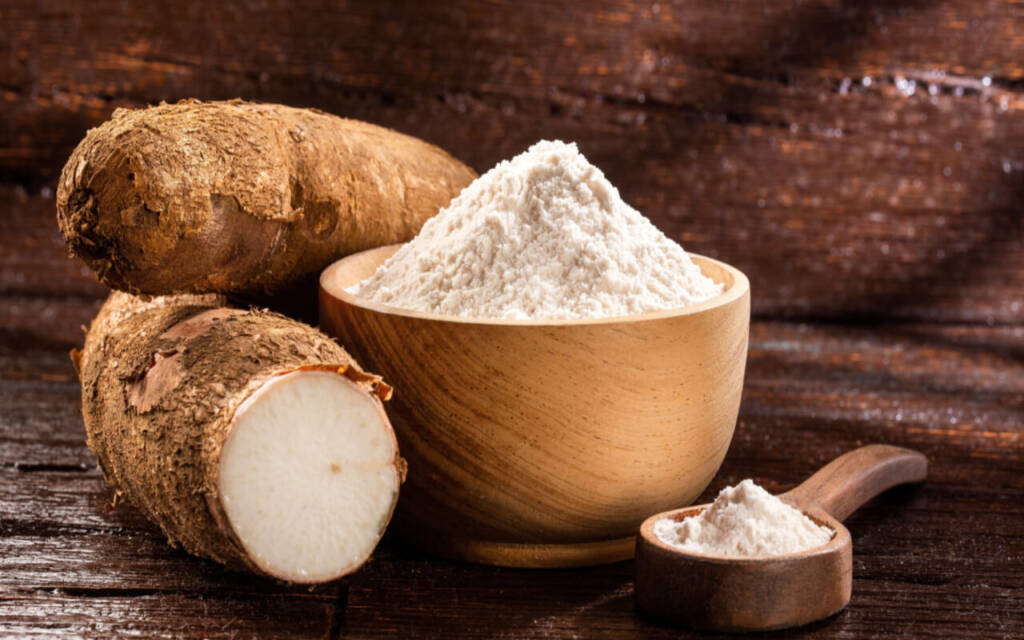
Tapioca is a starchy substance derived from the roots of the cassava plant. Cassava plant goes by the name of Manioc, Yuca, and Manihot as well. Much of South America and predominantly Brazil are home to these shrubs. Though cassava roots are edible in their boiled form, a significant amount of the plant is extracted for its starch.
Tapioca starch and tapioca flour are the same. It is a staple food in many parts of the world including India. Tapioca is a rich source of carbohydrates.
It has a neutral flavour and strong gelling power, making it effective as a thickening agent in both sweet and savoury foods. The consistency of cooked tapioca is thick and sticky. It has a texture similar to that of corn starch.
Cassava roots contain linamarin, a compound that can convert into cyanide. Treating cassava roots to remove this compound gives tapioca as a by-product.
The cassava root is picked, cleaned, and crushed into a pulp in a mill. The pulp is then squeezed dry, leaving fine-grained tapioca starch behind.
One serving of dried tapioca (152 g) pearls has:
Tapioca is purely made of starch and thus has a very high carbohydrate content. It contains a negligible amount of protein and fat. The vitamin and mineral profiles are almost insignificant in terms of daily recommended values.
It is because of this that tapioca is considered a source of empty calories. However, this carbohydrate-rich food works as an effective energy booster.
Tapioca is common in Indian households. Vegetables, nuts, milk etc are added to tapioca dishes in India to increase their nutritive values. Since tapioca is cooling for the body, it is often included in the breakfast menu during summer. Tapioca pearls are called ‘sabudana’ here and its pudding is a staple dish while fasting.
Tapioca is manufactured in many forms for commercial use. Soluble starch powder, flakes, rectangular sticks, and pearls are the most common of them.
The tapioca flakes, pearls, and sticks need sufficient soaking before cooking them. This helps them to rehydrate. They become up to double their volume upon rehydration. The tapioca products gain a swollen look with a leathery texture in their cooked state.
Tapioca pearls are spherical starch balls that come in different sizes. Though they are generally white, the pearls can be dyed. They lose their opaqueness after heating and become transparent. Boba is large sweetened tapioca pearls often dyed black and used for bubble tea.
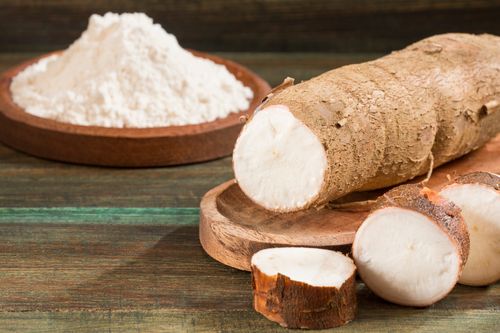
Tapioca finds its use in many genres of cooking.
When prepared and consumed properly, tapioca has numerous benefits. Some of them are discussed below.
Tapioca is a simple and nutritious way to gain weight. Due to its high carbohydrate content, it is an easy way to increase your daily calories. Tapioca is also cholesterol-free. However, sucrose forms the bulk of the sugars in cassava roots and should not be consumed in large quantities.
Tapioca has a small amount of iron and copper. These minerals are important for blood health. With good circulation and adequate oxygen, these minerals fight diseases like anaemia.
Tapioca has B-complex vitamins. According to a study conducted by the Swiss Federal Institute of Technology, Zurich having moderate quantities of tapioca during pregnancies is linked to a lower risk of neural tube defects in babies.
Dietary fibre abounds in tapioca. Constipation, bloating, and digestive pain are all reduced by fibre. It also adds bulk to the stool and facilitates its easy passage.
This tuber is high in protein, calcium and Vitamin K. They are beneficial to muscle and bone health. They can make your limbs and joints healthy, supple, and flexible. Bone density and flexibility decrease with age leading to conditions like osteoporosis and osteoarthritis. This makes tapioca a healthy food to take care of your bone health while keeping other health parameters in check as well.
According to a study, vitamin K is also beneficial to mental health. Vitamin K reduces the incidence of Alzheimer’s disease by increasing brain neuronal activity. It also fights free radicals that cause damage to brain cells.
Gluten is a protein which is found commonly in grains like rye, barley and wheat. Its consumption can be harmful to people with diseases such as celiac disease. Gluten-free diet benefits people with irritable bowel syndrome as well. If you suffer from gluten intolerance or are planning to go on gluten-free diets, tapioca is your go-to item.
It is a gluten-free alternative to use in cooking and baking. According to the Gluten Intolerance Group, a gluten-free diet also reduces the chances of heart diseases, cancer and diabetes.
Tapioca provides several heart-health benefits, including the prevention of heart disease and stroke. People with hypertension benefit the most from it owing to its low sodium content. Furthermore, tapioca contains no added sugars or cholesterol.

This pudding is a mouth-watering dessert and comfort food for many.
Tapioca is a by-product of cassava roots. The pearl form of tapioca is most common among the flour, flakes and sticks. It is a rich source of carbohydrates as well as calories. Though it does not have an attractive nutrient profile, it has a significant amount of health benefits.
Since it is a root-based flour, it is an excellent option for gluten-free diets. Moreover, tapioca is a good addition to sweet dishes and bread. It is useful as a substitute for potatoes and corn starch.
It is a nutritious option for those who are trying to gain weight. However, diabetic patients should consult a doctor before consuming them. Add tapioca to your diet in moderation to reap its benefits.
A. Tapioca has a wide range of health benefits. It can be used as a substitute for flour in gluten-free baking. It contains calcium, which is great for keeping brittle bones at bay, a huge problem for postmenopausal women. Tapioca also has iron, a vital mineral for people of all ages. It has a negligible saturated fat content and is great for overall cardiovascular health. It also serves as a great alternative for people suffering from celiac and irritable bowel disease.
A. Yes, tapioca is a simple and nutritious way to gain weight. Due to its large carbohydrate content, it is an easy way to increase your daily calories. Tapioca does not contain any saturated fats or cholesterol and thus is a healthy way to gain weight.
A. Tapioca is arguably one of the best gluten-free substitutes for flour. Tapioca can roughly substitute wheat flour in a 1:1 ratio. Cakes and cookies need finer granules and if you’re looking to thicken something like soup, a little of the coarser stuff will suffice.
A. Tapioca is made from cassava root. Consuming poorly prepared cassava root can sometimes lead to cyanide poisoning and thus one should be sure of the starch quality when consuming it.
A. Moderate consumption of tapioca is safe. However, its excess consumption can lead to the starch lumps congealing together in the digestive tract. This can result in abdominal pain, constipation and, in worst cases, require medical attention too.
A. Tapioca has a high glycemic index that can cause a rapid spike in insulin and blood sugar. Thus, people with diabetes should have tapioca with caution. Tapioca may also be harmful to you if you’re on a weight loss journey. Due to its large carbohydrate content, it increases your daily calories which leads to weight gain.
A. Tapioca finds its use in many genres of cooking. Casabe is a type of flatbread that uses tapioca as its ingredient. Tapioca flour is useful in making gluten-free and grain-free bread. It’s also used as a thickening agent in soups and gravies. Tapioca pearls are a great addition to desserts.
A. People with diabetes should avoid eating tapioca as it has a high glycemic index that may cause the blood sugar level to spike. Furthermore, tapioca has high carbohydrate content that increases calorie consumption. Hence, it is advisable to not have tapioca if you want to lose weight. People with low blood pressure should also be careful while having tapioca.
A. Yes, sabudana is a processed form of tapioca extract. Sabudana is basically pearls made out of tapioca starch.
A. No Tapioca pearls are not cancerous and are safe to be consumed in moderate quantities. However, it is noteworthy that calcium and sodium hypochlorite along with phosphoric acid are used to bleach the tapioca to produce the sago pearls. These agents, if consumed on a regular basis in large quantities, can have cancer-causing abilities.
A. Tapioca is a fruit extract rich in carbohydrates and fibre and is easily digestible. However, extremely high quantities of tapioca can become a problem for the stomach and cause digestive issues.
A. Tapioca is a high-carb food, such that 100 grams of tapioca powder contains 22 grams of carbohydrates and thus it cannot be part of a Keto program/ diet.
A. No, tapioca is a starch extracted from the roots of the cassava plant. It can be further processed into various shapes like spheres, cubes etc. Rice, on the other hand, is a grain.
A. Yes, tapioca has a high fibre content that adds bulk to the stools and is an easy remedy for digestive issues like constipation, bloating and subsequent abdominal pain.
A. Yes, sago and tapioca have very similar tastes and behave the same and thus can be substituted for each other.
A. Tapioca pearls have a very muted taste of their own. However, sugar or jaggery is mostly added to the dough giving these pearls a sweet taste.

Moong dal is one of the most popular vegetarian superfoods. It is rich in high-quality proteins and other essential nutrients. The high protein content contributes to building and repairing tissues and building muscles, bones, cartilage, blood, and skin. A 100 g serving of cooked moong dal can provide you with about 6 g protein. It […]
By Alpa Momaya

Fish is a great source of heart-healthy lean protein. Dining on one or two servings of fish as your protein every week can lower the risk of heart attack by almost one-third. That’s because it contains heart-healthy omega-3 fatty acids, which lower triglyceride levels as well as help reduce inflammation throughout the body and support […]
By Alpa Momaya

It’s a pale liquid that appears deceptively weak, given it packs a real punch, kicking your fat-fighting metabolism into high gear. And while research has shown that exercisers who drink green tea lose twice as much weight as those who don’t, several questions about its potency remain unanswered – like are flavoured green teas as […]
By Alpa Momaya

Medically reviewed by
Gautham Shankar
PHD in colouring hair in darkness