Is Guava Good for Diabetes? Let’s Find Out

Parul Dube
January 11, 2023 - 4:00 pm
Stay updated on the latest and greatest from the world of HealthifyMe. Subscribe to our Newsletter today!
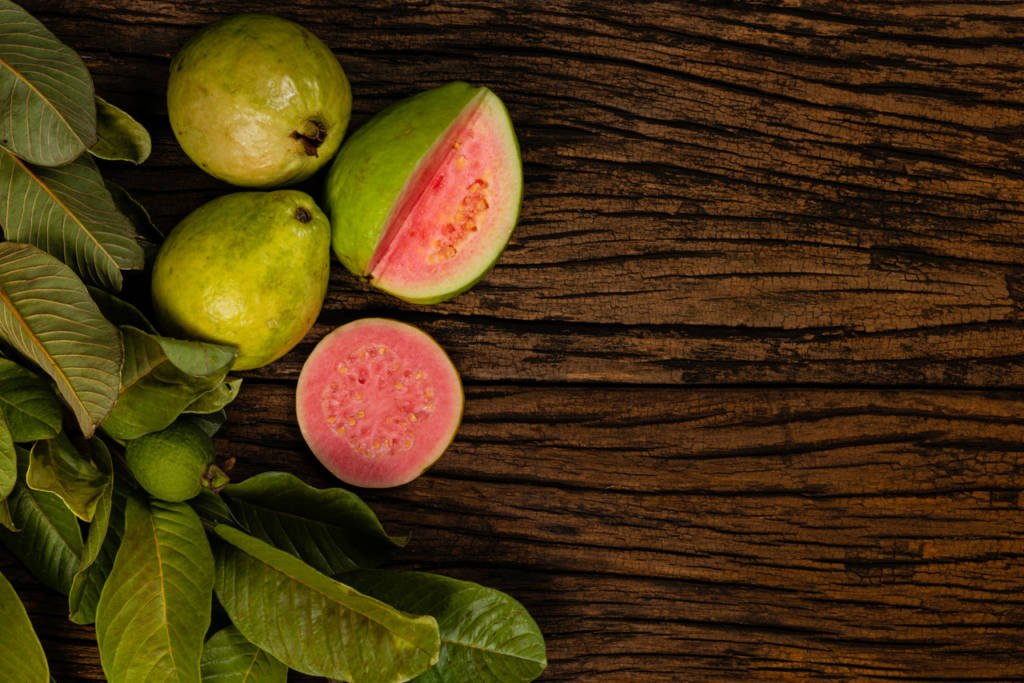
Guava is a delicious and nutritious fruit found all year round in most warm and temperate states. They are tasty and have a low Glycemic Index (GI), which measures how quickly carbohydrates are broken down and released as glucose into the system.
It means guavas can be particularly helpful in maintaining healthy blood sugar levels. In addition, guavas are indigenous to Mexico, Central America, and northern South America and can mature at any time of the year.
As a diabetic patient, following a strict diet is essential to keep your blood glucose or blood sugar levels within safe ranges. Blood glucose is your primary energy source, which you get from the food you consume.
Many foods can help regulate your blood sugar levels. The rise in blood glucose signals the release of insulin into your bloodstream. High insulin levels can lead to the storage of extra sugar as fat, increasing blood pressure, bad cholesterol, triglyceride levels, and appetite.
Guavas contain essential nutrients, including calcium, manganese, lycopene, potassium, and vitamins A and C.
With its low glycemic index of 12–24, the fruit is ideal for those who don’t want to experience a blood sugar spike. Moreover, guavas are a valuable source of iron, vitamin B6, calcium, magnesium, vitamin D, and vitamin A. They are also rich in antioxidants, which offer numerous health benefits.
As per USDA, one hundred grams of guava offer the following nutrients.
| Nutrient | Quantity |
|---|---|
| Energy | 68kCal |
| Water | 80.8g |
| Protein | 2.55g |
| Carbohydrates | 14.3g |
| Fibre | 5.4g |
| Calcium | 18mg |
| Potassium | 417mg |
| Vitamin C | 228mg |
| Folate | 49 µg |
| Vitamin A | 624 IU |
| Beta Carotene | 374 µg |
| Lycopene | 5200 µg |
The glycemic index (GI) measures how a food item can raise blood sugar levels. Foods with a high GI are quickly absorbed by the body, causing a rapid increase in blood sugar. Conversely, foods with a low GI are absorbed more slowly and can help maintain stable blood sugar levels.
The higher the GI, the quicker the rise in blood sugar. You can identify how quickly a fruit will convert to glucose in your body by looking up its glycemic index (GI).
Guava is an excellent option for those with diabetes or anyone looking to maintain stable blood sugar levels. That is because it has a low glycemic index (GI) score of 12-24.
Furthermore, only 8.92 g of sugar is present per 100 grams of guava, making it easier to digest and absorb. As a result, it leads to minimal spikes in blood glucose levels.
It’s essential to remember that the glycemic index is only one factor to consider when managing blood sugar levels. One should also take a meal’s portion size and overall nutrient balance.
There is no evidence to suggest that guava directly affects diabetes. However, it is a nutritious fruit that can be part of a healthy diet. Guava is rich in vitamin C, fibre, and other essential nutrients.
There is no indication that guava consumption is unsafe for people with diabetes.
It is crucial, however, that they manage their carbohydrate intake, including that from fruit, as part of their blood sugar control plan.
Guava has a moderate to low glycemic index (GI), which means that it is absorbed more slowly and thus less likely to cause a spike in blood sugar levels.
Research indicates that guavas are an excellent choice for people with diabetes looking to regulate their blood sugar levels, as they are high in fibre.
This fibre takes longer to digest and helps slow down sugar’s release into the bloodstream. As a result, people with diabetes can avoid periods of hypoglycemia as the fruit is digested gradually over time.
Guavas are an excellent choice for those trying to burn fat, as they are a delicious, low-calorie snack high in nutrients.
Not only that, but they contain a good amount of protein and fibre, which both take longer to digest and can help keep you feeling full for longer. Furthermore, the high fibre content helps to regulate metabolism. Lastly, unripe guavas have much less sugar than most other fruits.
Research has shown that consuming guavas is beneficial for maintaining healthy antibacterial gut flora. Moreover, eating any type of fruit can help improve digestion and promote regular bowel movements, contributing to weight loss.
Due to its low-calorie content, guava can help in weight management, an essential factor for people with diabetes. Excessive weight can lead to cardiovascular issues in people with diabetes. Additionally, the fibre in guava can aid in weight loss.
Guavas are an excellent source of Vitamin C. Contrary to popular belief, guavas contain more vitamin C than citrus fruits such as oranges.
Read more: Vitamin C Rich Foods – Health Benefits, Deficiency & More
Studies have shown that inadequate levels of vitamin C can put individuals at a heightened risk of diseases and infections. Furthermore, guava has antibacterial properties, helping eliminate dangerous bacteria and viruses that could lead to illnesses.
It is important to regularly consume adequate amounts of vitamin C as its depletion is a common phenomenon.
In addition, guavas promote a robust immune system and manage chronic conditions like diabetes. Thus, guava is often considered a necessary fruit for regulating diabetes.
People with diabetes should pay close attention to their sodium intake, as too much salt can harm their health.
Guavas are a great option, as they contain a high level of potassium and low sodium, two essential nutrients needed to manage diabetes. Therefore, including guava in your diet can benefit your health and help maintain the balance of nutrients.
Guavas contain phytonutrients such as carotenoids, polyphenols, and vitamin C, which function as natural antioxidants in the body.
Antioxidants help prevent or delay oxidative damage caused by free radicals, which our bodies produce. In addition, they also prevent oxidative stress due to toxins from our environment. Research has indicated that this damage can lead to inflammation and illness.
Including guava in an overall healthy eating plan may help support better blood sugar control and overall health in people with diabetes. Guava is a nutritious fruit that has potential benefits for those with diabetes. It is an excellent source of fibre, which can help slow the absorption of carbohydrates and improve blood sugar control. Guava is also rich in antioxidants, which may reduce inflammation and protect against chronic conditions like diabetes. Additionally, its low to moderate glycemic index (GI) ensures that it is absorbed more slowly and is less likely to cause sudden increases in blood sugar levels.
There are many ways to incorporate Guava into a healthy diet for people with diabetes. Here are a few ideas:
It is important to remember that guava, like all fruits, contains carbohydrates, and people with diabetes need to manage their intake of carbohydrates as part of their overall blood sugar control. Therefore, it is a good idea to track your intake of carbohydrates, including those from fruit, and work with an expert nutritionist to determine the appropriate amount for you.
Excessive consumption of guava can lead to an increase in blood sugar levels. The food’s low-calorie, protein, and fat content can cause a craving for more. Guava seeds are a common cause of diarrhoea and irritable bowel syndrome.
Eating guava without the peel can help in effectively reducing blood sugar levels. Studies have shown that the peel of guava contains high levels of glucose, which can directly affect our metabolism.
The consumption of guava may provide various health benefits for those with diabetes. This fruit is low in sugar and high in fibre, which helps regulate blood sugar levels.
Additionally, guava is a rich source of antioxidants and many other beneficial nutrients. Research also suggests that it may positively affect cholesterol and even reduce the risk of certain types of cancer.
Considering all this, adding guava to a balanced diet may be beneficial for managing diabetes and promoting overall health.
It is always best to consult with a healthcare professional before making any dietary changes. A HealthifyMe nutritionist can help you determine the suitable quantity of guava safe for an individual to consume.
In addition, the Continuous Glucose Monitor (CGM) helps understand the impact of a food’s consumption on your blood sugar. It can be an excellent way to manage your blood sugar levels.
A: Guava is a nutritious and healthy snack unlikely to cause a spike in blood glucose levels. However, if you have diabetes or are at risk of developing diabetes, it is essential to consult a healthcare professional before eating guava.
A: You can add guava to your diet to use it for diabetes in the form of fresh guava, guava smoothie, or guava tea. Eat fresh guava as a snack or incorporate it into meals. You can also add guava to your smoothie, salads, and other dishes. Make guava tea by boiling guava leaves in water and then straining the liquid.
When adding guava to your diet, monitor your blood sugar levels regularly. Ask your doctor or dietitian for advice on how much guava to include in your diet.
A: Yes, people with diabetes can eat guava at night. Guava is a low-glycemic fruit which means it won’t cause a sudden spike in blood sugar levels. However, it is still vital for people with diabetes to monitor their food intake and pay attention to portion sizes.
A: A cup of raw guava contains around 11 grams of total carbohydrates, including 8 grams of natural sugars. Despite being naturally sweet, guava is not a high-sugar fruit compared to other common fruits, like apples and grapes, which have more carbohydrate and sugar content.
A: There are no known groups of people who should not eat guava. Guava is a nutritious fruit that can benefit most people’s diets. However, it is essential to consider individual tolerance and potential allergies or sensitivities when introducing guava into the diet. Additionally, pregnant or breastfeeding women may want to consult a nutritionist or a healthcare professional before adding guava to their diet.
A: You can enjoy guava as a snack or part of a meal at any time of the day. Eating guava as a snack between meals may help to control hunger and support blood sugar control, or you may prefer to include it as part of a larger meal. Ultimately, the best time to eat guava depends on your medical conditions, food preferences and eating habits.
A: Consider a person’s age, gender, weight, physical activity level, and overall health when determining the appropriate amount of guava for a person with diabetes. Generally, people with diabetes should follow a healthy eating plan focusing on portion control, balanced nutrition, and regular physical activity tailored to their needs.
1. The U S Department of Agriculture
https://fdc.nal.usda.gov/fdc-app.html#/food-details/173044/nutrients
2. Verma AK, Rajkumar V, Banerjee R, Biswas S, Das AK. Guava (Psidium guajava L.) The powder as an Antioxidant Dietary Fibre in Sheep Meat Nuggets. Asian-Australas J Anim Sci. 2013 Jun;26(6):886-95. doi: 10.5713/ajas.2012.12671. PMID: 25049864; PMCID: PMC4093245.
https://www.ncbi.nlm.nih.gov/pmc/articles/PMC4093245/
3. Daswani PG, Gholkar MS, Birdi TJ. Psidium guajava: A Single Plant for Multiple Health Problems of Rural Indian Population. Pharmacogn Rev. 2017 Jul-Dec;11(22):167-174. doi: 10.4103/phrev.phrev_17_17. PMID: 28989253; PMCID: PMC5628524.
https://www.ncbi.nlm.nih.gov/pmc/articles/PMC5628524/
4. Shaik-Dasthagirisaheb YB, Varvara G, Murmura G, Saggini A, Caraffa A, Antinolfi P, Tete’ S, Tripodi D, Conti F, Cianchetti E, Toniato E, Rosati M, Speranza L, Pantalone A, Saggini R, Tei M, Speziali A, Conti P, Theoharides TC, Pandolfi F. Role of vitamins D, E and C in immunity and inflammation. J Biol Regul Homeost Agents. 2013 Apr-Jun;27(2):291-5. PMID: 23830380.
https://pubmed.ncbi.nlm.nih.gov/23830380/
5. National Center for Complementary and Integrative Health
https://www.nccih.nih.gov/health/antioxidants-in-depth
6. Kumari S, Rakavi R, Mangaraj M. Effect of Guava in Blood Glucose and Lipid Profile in Healthy Human Subjects: A Randomized Controlled Study. J Clin Diagn Res. 2016 Sep;10(9):BC04-BC07.Doii: 10.7860/JCDR/2016/21291.8425. Epub 2016 Sep 1. PMID: 27790420; PMCID: PMC5071920.

Did you know a 15% weight reduction has shown to normalize glucose tolerance? Or that even with diabetes, you can eat sugar in moderate amounts? Padma Bhushan awardee and renowned endocrinologist Dr Ambrish Mithal weighs on 10 myths surrounding the ailment. #1 MYTH Diabetes is caused by eating too much sugar. FACT A lot of […]
By Parul Dube

Diabetes cases are on the rise in India – according to 2013 data from the International Diabetes Federation, approximately 50% of all people with diabetes live in just three countries – China (98.4 million), India (65.1 million) and the US (24.4 million). There are several reasons why Indians have a higher propensity for this lifestyle […]
By Parul Dube
Can I drink whole milk? Is white bread bad for me? Do I have to avoid everything deep-fried? If you are Diabetic, you may have probably had these questions and many more. As a Diabetic, you have to closely monitor your diet to keep blood sugar levels in check. But apart from what foods to cut […]
By Parul Dube

Medically reviewed by
Gautham Shankar
PHD in colouring hair in darkness