Ramadan Eating, Made Easy and Healthy

Imon Roy
April 21, 2022 - 7:00 pm
Stay updated on the latest and greatest from the world of HealthifyMe. Subscribe to our Newsletter today!
The Quran was revealed to the prophet in the ninth month of the Islamic calendar and was accompanied by month-long fasting by the prophet himself. These 30 days of fasting during Ramadan are one of the pillars of Islam. The followers refrain from eating or drinking anything between dawn to dusk for 30 days. The fast lasts for 29 to 30 days, and because it follows the lunar calendar, the duration depends on the sighting of the moon.
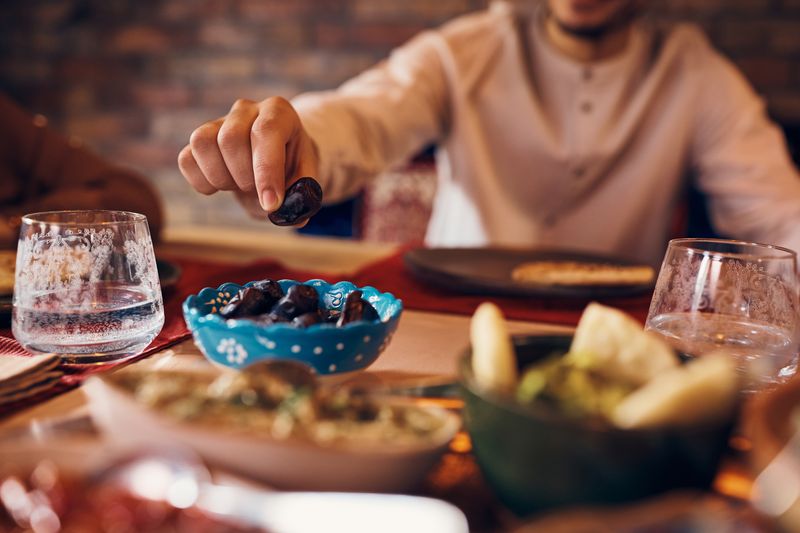
After sundown, the followers break their fasts with iftar. One usually takes dates and water to break the fast. After that, one can continue to hydrate and have snacks and dinner. The pre-breakfast ritual is called sehri- the last meal before the day begins. The beauty of Ramadan is that it’s a month of contemplation, prayers and abstinence. However, after Iftari, sometimes people tend to eat together and indulge in delicacies. However, when you eat heavy food, the detoxification that the body attains throughout the day gets diluted in the process. Also, there is pressure on the digestive system, and one can experience acidity, reflux and other digestive issues.
The HealthifyMe experts suggest a simple guideline that will help you stay energetic, healthy and happy throughout these 30 days.
These thirty days are about practising self-discipline, self-control, charity, and empathy for the less privileged. After this period comes Eid- the days of celebration. One needs to enjoy the days of feasting followed by fasting. Therefore, do not think of curbing yourself during those days of unadulterated fun, frolic and laughter.
Eid is the occasion when we meet our friends and family. Three days of Eid-Ul-Fitr come with specific food associations- Biryani, Haleem, Shahi Tukda and Seviyan. Of course, one cannot forget the mouth-watering snacks and sweets. The ideal way to celebrate Eid is to eat without any negative thoughts, fear of gaining weight or wondering how many calories are we consuming. These are the days you let go of all restrictions. After the celebration is complete, go back to regular ways.
We all must remember that being mindful of what we eat is being true to ourselves. If we stay healthy, we perform all our duties to ourselves and our loved ones to our best abilities. So even after the completion of the Ramadan month, remember the basics. We need to eat well, hydrate well, have simple food seasoned well but devoid of excess fat and ghee, have fruits and vegetables, keep moving and keep our faith intact.
You may already know your way around the exercise equipment or have your own home fitness routine, but if you’re keen to get your abs in shape or work off those last five kilos, a virtual trainer can provide you with customized advice. Working with an expert online has some unique advantages – here are […]
By Imon Roy

Surat resident Chaitali received a rude shock when she was admitted to a hospital mid-last year, and was diagnosed with diabetes. “My fasting sugar level was 400,” says Chaitali, who weighed 87 kg at the time. She hadn’t always been fat but had gained weight due to a hormone imbalance. Her hospitalization, and the fact […]
By Imon Roy
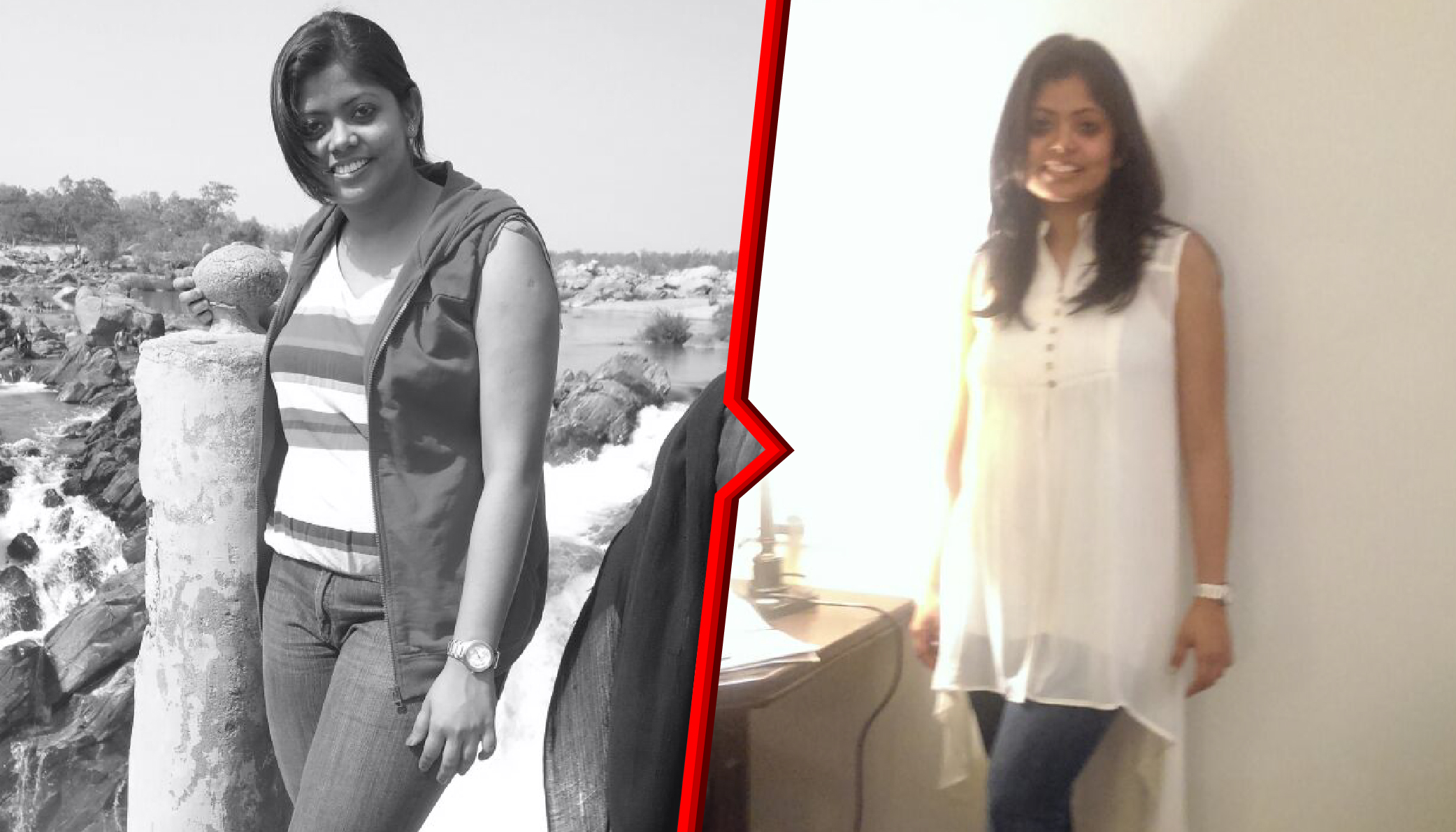
Ipsita Swain Age 24 Weighs 69 kg today Weighed 80 kg earlier Lost 11 kg in just over seven months Her story While in college, Ipsita says no one would have called her overweight. “Given my height (5 feet 4 inches), I would say I was little healthy,” she claims. It was when she left […]
By Imon Roy

Medically reviewed by
Gautham Shankar
PHD in colouring hair in darkness