How Many Types of Thyroid? Causes and Prevention

Parul Dube
December 15, 2022 - 4:00 pm

Stay updated on the latest and greatest from the world of HealthifyMe. Subscribe to our Newsletter today!
The thyroid gland, commonly referred to as the butterfly gland, is often overlooked. Yes, people seldom give importance to the health of the thyroid gland, but it does a lot of work behind the scenes to ensure your overall health. Thyroid diseases are common across the world, which is cause for alarm.
Although thyroid disease is quite common and easily visible, many people do not know what it is. In simple terms, thyroid disease is a medical disorder affecting the thyroid gland’s function. Therefore, it is vital to take effective steps to reduce the risks of the abnormal secretion of hormones and to understand its types better to cope with the disease in its early stages. So let’s explore the different types of thyroid disorders!
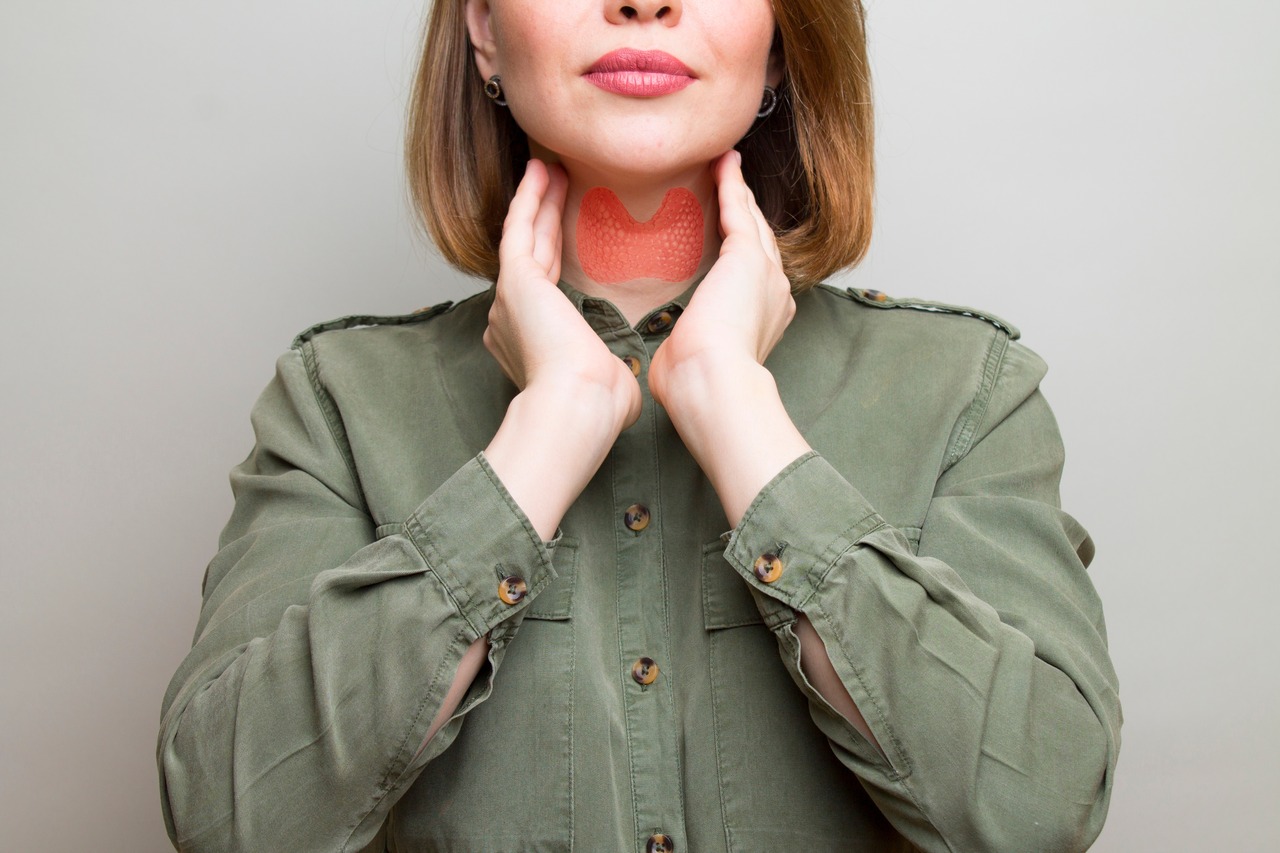
One of the essential glands in the body, the thyroid gland, is located at the front of the neck and controls almost all the body’s functions and hormone secretion.
For example, the thyroid gland secretes two crucial hormones, T3 and T4, which help the body convert the food you eat into the energy required by the body. The thyroid gland also plays a vital role in sleep patterns, weight management, and mood swings.
The abnormal functioning or secretion of thyroid hormones can indicate a thyroid disorder. According to research, around 42 million individuals suffer from various thyroid diseases. One individual can simultaneously be diagnosed with one or several of these diseases, each with distinct symptoms.
Hyperthyroidism is a thyroid disease characterised by an overactive thyroid gland. As a result, the gland produces an excess of thyroid hormones, leading to symptoms such as increased appetite, tremors, sensitivity to heat, enlargement of the thyroid, anxiety, diarrhoea, irritability, and rapid heartbeat.
Hypothyroidism refers to an underactive thyroid. As a result, the thyroid gland does not produce sufficient T4 hormones for normal function, resulting in symptoms like weight gain, constipation, fatigue, low energy, cold, slow heart rate, and dry skin.
Read more: Hypothyroidism – Diet Plan, Causes, and Symptoms
A goitre is an enlargement of the thyroid gland. It can be due to iodine deficiency, and on rare occasions, it may cause compression of the airway, difficulty swallowing, or compression of the vessels due to structural abnormalities.
Thyroid nodules can be either benign or cancerous and show several symptoms similar to those of hyperthyroidism and hypothyroidism.
It occurs when there is a prolonged deficiency of iodine or due to the presence of small nodule-like elements in the old gland. In rare cases, the nodules develop bigger, leading to difficulties in breathing and swallowing.
Grave’s disease is an autoimmune condition that affects the thyroid gland. In this condition, the thyroid gland produces excess hormones responsible for metabolism regulation, resulting in severe complications.
Hashimoto’s Thyroiditis, or Hashimoto’s disease, is an autoimmune disorder in which the body’s immune system attacks the thyroid gland.
It can lead to the gland’s inability to produce the hormones needed to regulate metabolism, resulting in hypothyroidism. Though it can affect people of all ages, Hashimoto’s disease is most common in middle-aged women.
Thyroid cancer is a rare type that occurs when the initial thyroid problems are left untreated. There are different types of thyroid cancer, including anaplastic thyroid cancer, follicular thyroid cancer, medullary thyroid cancer and thyroid lymphoma.
Prevention is better than cure, as the adage portrays. However, there are some natural tips to improve thyroid function and health. Some of them are:
According to various studies, exercising regularly has many benefits, including the secretion of thyroid hormones. Specifically, working out at least three times a week for 30-40 minutes has been shown to help regulate thyroid production and counteract various side effects caused by hypothyroidism.
Aim to follow a nutritious and balanced diet filled with vegetables, fruits, whole grains, nuts, seeds, and legumes to promote the functioning of the thyroid gland.
Iodine deficiency is the key cause of hypothyroidism. Selenium and zinc can also support thyroid health. Increasing the intake of these minerals through dairy, eggs, seafood, brown rice, legumes, almonds, and pumpkin seeds is vital to maintaining the gland’s health.
To ensure the thyroid is in optimal condition, focus on consuming Vitamin-D-rich foods such as salmon, tuna, egg yolk and dairy products.
Reduce your exposure to toxins by quitting smoking, purifying your drinking water, and selecting organic food sources. Toxins like mercury, pesticides, chlorine, and fluorine can damage your glands, suppress hormone production, and prevent proper function.
Iodine is essential for the thyroid gland to function correctly. If you don’t have enough iodine in your diet, your body can’t make enough thyroid hormone, which can lead to thyroid disorders. To get enough iodine, eat foods such as spinach, seafood, eggs, etc.
A sedentary lifestyle and stressful work culture have put a lot of pressure on the thyroid gland, affecting almost every person differently. It is rare to prevent the onset of thyroid disorders.
However, one can avoid the further complications of different thyroid disorders by diagnosing the condition early and sticking to the proper treatment plan.
In addition, being conscious about thyroid conditions and following the right lifestyle will help you improve your thyroid health and lead a normal life.

If you’ve been diagnosed with hypothyroidism, or an underactive thyroid, symptoms include fatigue, depression, constipation and weight gain. But along with medication, you can boost thyroid function with a well-balanced diet. Thyroid hormones also play a major role in producing energy from the food that we eat. The gland needs certain vitamins and minerals to […]
By Parul Dube
Before jumping into what is good for your body and what isn’t, you should first understand the term hypothyroidism. The thyroid gland is located near the bottom of your neck, in the shape of a butterfly. This gland releases thyroid hormones into your blood, after getting thyroid-stimulating hormone (TSH) from your pituitary gland. However, when […]
By Parul Dube

The Bhagavadgita says that “Yoga is the journey of the self, through the self, to the self”. Including yoga in your lifestyle can do wonders for your body. It is a well-known fact that useful yoga poses can reverse the severe effects of the thyroid. Nowadays, thyroid disorder, especially hypothyroidism, is becoming common among individuals. […]
By Parul Dube

Medically reviewed by
Gautham Shankar
PHD in colouring hair in darkness