Why Should You Include Paneer in Your Diet?

Alpa Momaya
May 24, 2021 - 8:18 pm
Stay updated on the latest and greatest from the world of HealthifyMe. Subscribe to our Newsletter today!
Summary: This article talks about why you should eat paneer, also known as Indian cottage cheese. It contains many vitamins, minerals, and antioxidants that are beneficial for health. It helps in meeting the protein requirements of vegetarian people. You can include paneer in your diet by incorporating it into several dishes. Paneer is also beneficial for people who are on a low-carb and high-protein diet.
A significant part of the Indian population is vegetarian. Many ancient texts and modern science call milk a complete food. Indians consume half of the produced milk in its original form and the remaining is for making various milk products such as ghee, butter, paneer, cheese, ice cream, and milk powder.
Paneer is rich in fats and proteins and is also a good source of various vitamins and minerals. The nutritional power of paneer lives in the presence of protein, which contains all essential amino acids. It is an ideal food for growing children, adults, infants, and pregnant women.
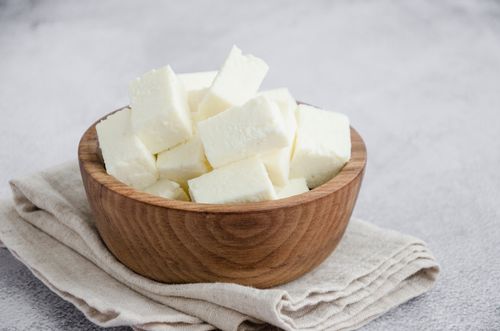
| Calories | 265 kcal |
| Fat | 20.8 g |
| Protein | 18.3 g |
| Carbohydrates | 1.2 g |
| Calcium | 208 mg |
| Zinc | 2.7 mg |
| Magnesium | 26.6 mg |
To avoid monotonous consumption of paneer, you may prepare various recipes that are tasty and do not alter their nutritional qualities. Some of the best healthy recipes of paneer are:
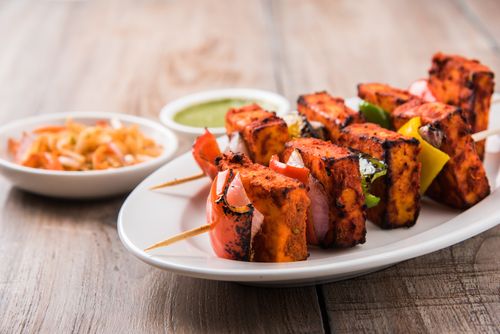
Paneer tikka is one of the healthiest appetizers. Apart from appetizers, it may also find its place in sandwiches, pizzas, and wraps.
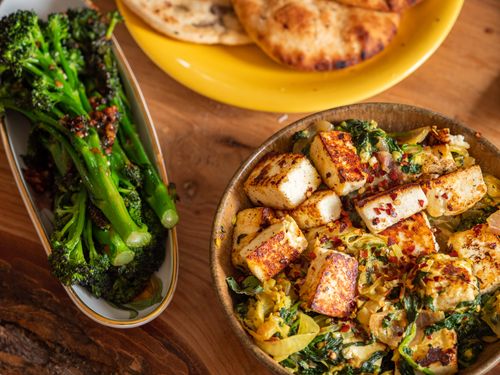
Stir-fried vegetables with paneer is a perfect low carb healthy option for a light meal or those who are looking to manage their weight.
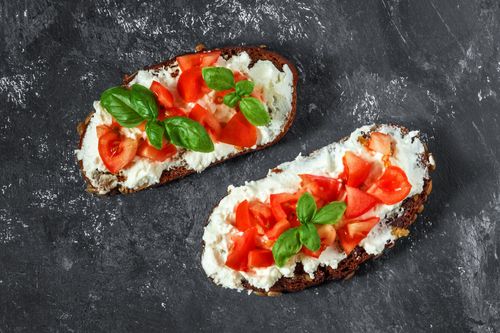
Paneer toast is a healthy breakfast option that can provide you with adequate energy for the whole day. Making paneer toast is very easy.
Paneer consumption has many health benefits. It improves immunity and helps to build stamina. It enhances bone density and promotes cardiovascular health. However, consuming paneer in a moderate amount as a large quantity may cause digestive problems.
Resources:
A. There is no concrete evidence to confirm that eating paneer during fever has side effects. However, theoretically, it is not a good eating option while having a fever. The digestive system does not function optimally during fever. Similarly, paneer is not a good food item for anyone having indigestion. However, if you wish to eat paneer during fever or indigestion, only eat cooked paneer as the uncooked form may stress the digestive tract.
A. Paneer is a milk product and thus has a limited shelf life. However, because of its high cost, many suppliers may supply spoiled leftovers. Good-quality, fresh paneer provides optimum health benefits. Spoiled paneer may also cause gastric side effects. Spoiled paneer tastes sour and has a foul smell. Bad-quality paneer is brownish or yellow, and the texture is somewhat slimy.
A. Always store paneer in appropriate conditions to increase its shelf life. Paneer kept at room temperature for more than two hours may lose its freshness and should be discarded. The ideal way to maintain the freshness and quality is to store it in a refrigerator. The paneer may lose moisture from its outer layer in a fridge. Thus, wrap the paneer with a moistened muslin cloth before keeping it in the refrigerator. Do not keep paneer for more than 2-3 days in the fridge as it may harden and harbor germs.
A. Although paneer is a healthy eating option, it may cause side effects in some people. People who are immunocompromised, have a sedentary lifestyle, and are allergic to dairy products should avoid consuming paneer. The side effects due to paneer consumption include food allergies and digestive problems. It may also increase the level of cholesterol due to its high-fat content. People with cardiovascular diseases should eat paneer in moderation.
A. Paneer is an excellent source of vitamins, minerals, proteins, carbohydrates, and fats. You can incorporate paneer into your daily diet but take it in moderation. You may consume paneer by adding it to several tasty recipes.

Sans cheese and other hi-calorie fillings, a sandwich can still be tasty. It can be a healthy sandwich. #1 Healthy chicken salad sandwich Ingredients: Multigrain bread – 2 Cooked chicken breast, sliced – 1/4 cup Chopped apple – 2 tsp. Hard-boiled egg, peeled and chopped to pieces – 1/4 Low-fat yoghurt – 2tsp. Black pepper […]
By Alpa Momaya

Moong dal is one of the most popular vegetarian superfoods. It is rich in high-quality proteins and other essential nutrients. The high protein content contributes to building and repairing tissues and building muscles, bones, cartilage, blood, and skin. A 100 g serving of cooked moong dal can provide you with about 6 g protein. It […]
By Alpa Momaya
Who says rice can’t be nice if you’re trying to lose weight? Just make the healthier choice, by swapping brown rice with white. Paired with vegetables and spices, the brown rice pulao recipe I’ve given below can work as a small snack, or even a complete meal, based on your preference. Brown rice, unlike white […]
By Alpa Momaya

Medically reviewed by
Gautham Shankar
PHD in colouring hair in darkness

Ohh I did not know that a paneer is a good option during dieting. Good content..!!